SPINA TEAM, 2050 Coral Way, Suite 509, Miami, FL 33145 info@spinateam.com

Blog

About Orthopedic Braces

Orthopedic Braces

1. Orthopedic Braces

Title: The Ultimate Guide to Orthopedic Braces: Types, Uses, and Benefits

Introduction: Orthopedic braces are essential medical devices designed to support and stabilize joints, muscles, and bones. They play a critical role in injury recovery, pain management, and post-surgical rehabilitation. This guide will explore the different types of orthopedic braces, their uses, and their benefits for various conditions.

Types of Orthopedic Braces:

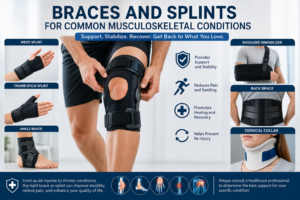
  • Knee Braces: Provide stability and support for knee injuries or conditions like arthritis.
  • Ankle Braces: Offer protection and support for ankle sprains and strains.
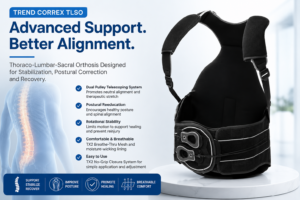
  • Back Braces: Help with spine alignment, postural correction, and back pain relief.
  • Shoulder Braces: Stabilize the shoulder after dislocation or rotator cuff injuries.
  • Wrist and Elbow Braces: Assist in managing conditions like carpal tunnel syndrome and tennis elbow.

Uses and Benefits:

  • Injury Prevention: Protect joints during physical activity to minimize the risk of injury.
  • Post-Surgery Support: Stabilize the area after surgery, aiding recovery.
  • Chronic Conditions: Help manage pain and mobility for chronic issues such as arthritis.
  • Rehabilitation: Aid in regaining strength and range of motion.

Choosing the Right Brace:

  • Consult with a healthcare professional to select the appropriate brace based on your condition.
  • Consider factors like material, adjustability, and comfort when making a choice.

Conclusion: Orthopedic braces are versatile tools for injury prevention and recovery. Whether you need a brace for a sports injury or a chronic condition, understanding the options available can help you make the best decision for your health.


2. Knee Braces

Title: How Knee Braces Can Improve Recovery and Manage Pain

Outline:

  • Introduction to knee braces and their role in supporting knee injuries.
  • Types of knee braces (prophylactic, functional, rehabilitative, unloader).
  • Benefits of knee braces for conditions like ACL tears, arthritis, and post-surgery recovery.
  • Tips for choosing the best knee brace.
  • Proper use and maintenance of knee braces.

3. Ankle Braces

Title: The Benefits of Ankle Braces for Injury Prevention and Recovery

Outline:

  • Overview of ankle braces and common conditions they address (sprains, strains, Achilles tendonitis).
  • Types of ankle braces (rigid, semi-rigid, and compression sleeves).
  • How ankle braces help stabilize the joint and improve mobility.
  • Recommendations for athletes and individuals recovering from surgery.
  • Care instructions for ankle braces.

4. Back Braces

Title: Back Braces: How They Support Spine Health and Relieve Pain

Outline:

  • Introduction to back braces and their uses for posture correction and pain relief.
  • Different types of back braces (LSO, TLSO, lumbar support).
  • Benefits for individuals with chronic back pain, scoliosis, or post-surgical recovery.
  • Choosing the right back brace for your needs.
  • Tips for wearing and maintaining a back brace.

5. Shoulder Braces

Title: Shoulder Braces: Support for Rotator Cuff Injuries and Dislocations

Outline:

  • Overview of shoulder braces and their importance in stabilizing the shoulder joint.
  • Common conditions treated with shoulder braces (dislocations, rotator cuff injuries, arthritis).
  • Types of shoulder braces (compression sleeves, immobilizers, stabilizing braces).
  • Tips for selecting and using a shoulder brace effectively.
  • Care and maintenance instructions.

6. Wrist Braces

Title: Wrist Braces: Relief for Carpal Tunnel and Wrist Injuries

Outline:

  • Introduction to wrist braces and their use in managing conditions like carpal tunnel syndrome, sprains, and fractures.
  • Types of wrist braces (with thumb spica, compression sleeves).
  • Benefits of wearing wrist braces during daily activities or post-surgery.
  • How to choose the right wrist brace based on your condition.
  • Proper care for wrist braces.

7. Elbow Braces

Title: Elbow Braces: Support for Tennis Elbow and Other Conditions

Outline:

  • Overview of elbow braces and their application for conditions like tennis elbow and golfer’s elbow.
  • Types of elbow braces (compression, hinged, and strap braces).
  • How elbow braces relieve pain and provide stability.
  • Choosing an elbow brace and guidelines for use.
  • Cleaning and maintenance tips for elbow braces.

8. Spine Support Braces

Title: Spine Support Braces: Aligning and Protecting the Back

Outline:

  • Introduction to spine support braces for conditions like scoliosis, herniated discs, and post-surgery recovery.
  • Different types of spine braces (TLSO, LSO, posture correctors).
  • Benefits of wearing spine support braces for pain relief and posture correction.
  • Selecting the right spine brace based on medical needs.
  • Care and proper use of spine support braces.

9. Foot Drop Orthotics

Title: Foot Drop Orthotics: Improving Mobility and Safety

Outline:

  • Explanation of foot drop and its causes.
  • Types of orthotics used for foot drop (AFOs, functional electrical stimulation devices).
  • Benefits of foot drop orthotics for improved mobility and gait.
  • How to choose the right orthotic device.
  • Tips for wearing and caring for foot drop orthotics.

10. Custom Orthopedic Braces

Title: Custom Orthopedic Braces: Personalized Support for Optimal Recovery

Outline:

  • The importance of custom orthopedic braces tailored to individual needs.
  • Conditions that benefit from custom braces (scoliosis, severe injuries, post-surgery).
  • The process of creating a custom orthopedic brace.
  • Benefits of personalized braces over standard options.
  • How to care for custom orthopedic braces.

11. Sports Injury Braces

Title: Sports Injury Braces: Protecting Athletes and Enhancing Performance

Outline:

  • Overview of sports injury braces and their use in preventing and treating injuries.
  • Types of braces designed for different sports (e.g., knee braces for runners, ankle braces for basketball players).
  • How sports braces enhance performance and provide safety.
  • Choosing the right brace for your sport.
  • Maintenance tips for sports injury braces.

12. Medical Support Braces

Title: Medical Support Braces: Essential Tools for Recovery and Rehabilitation

Outline:

  • Explanation of medical support braces and their role in rehabilitation.
  • Common conditions treated with medical braces (post-surgery recovery, fractures, sprains).
  • Types of support braces available (knee, back, wrist, ankle).
  • Guidelines for selecting the appropriate brace.
  • Care and maintenance instructions.

13. Post-Surgery Braces

Title: Post-Surgery Braces: Supporting Recovery After Surgery

Outline:

  • The importance of post-surgery braces for protecting surgical sites.
  • Types of post-surgery braces (shoulder, knee, back).
  • Benefits of using these braces during recovery.
  • Guidelines for proper use and adjusting post-surgery braces.
  • Maintenance and cleaning tips.

AO Easy Adjustable Wrist Orthosis SUGGESTED HCPC: L3916

$116.00
SUGGESTED HCPC: L3916
In stock
Save this product for later
Share this product with your friends
AO Easy Adjustable Wrist Orthosis SUGGESTED HCPC: L3916
Product Details
Brand: Advanced Orthopaedics

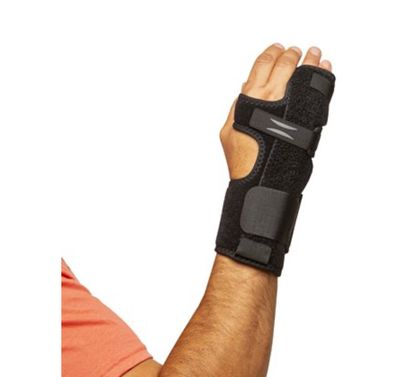
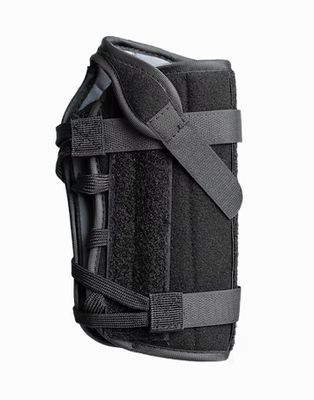
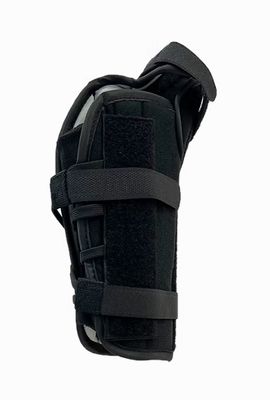
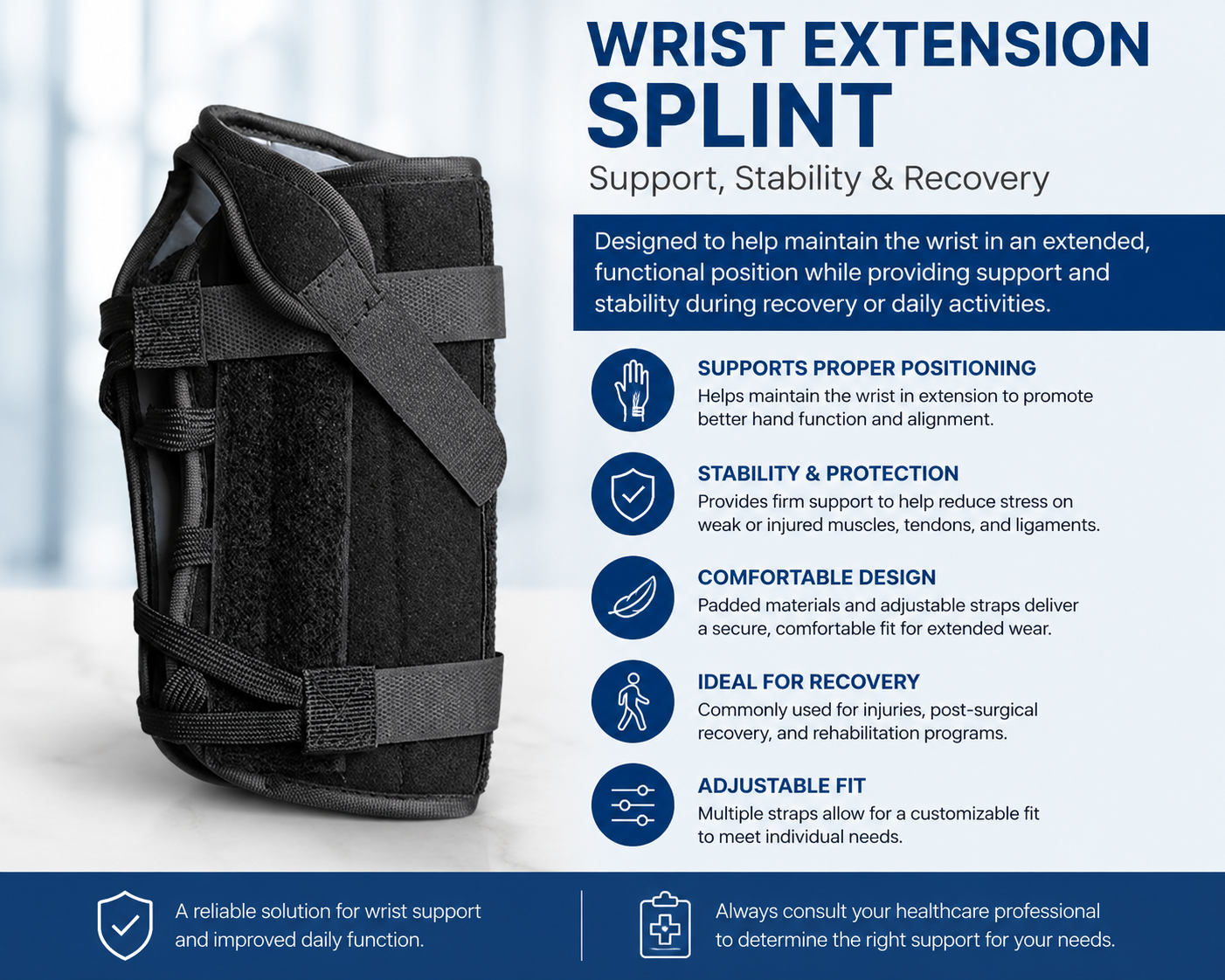
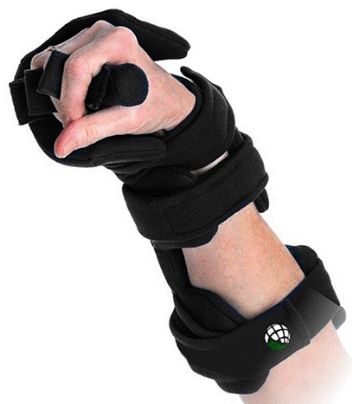
An Adjustable Wrist Orthosis, SUGGESTED HCPC: L3916 is a medical device designed to provide support, stability, and immobilization to the wrist while allowing for customization to fit individual needs. It is commonly used in the treatment of wrist injuries, chronic pain, or conditions requiring wrist immobilization or stabilization. Below is an explanation of its features and uses:

Key Features

  1. Adjustability:
    • Equipped with adjustable straps, Velcro closures, or laces to customize the fit and compression according to the user's wrist size and comfort.
    • Some models allow for adjustments to the angle or position of the wrist, providing tailored support for specific conditions.
  2. Supportive Design:
    • Made from rigid or semi-rigid materials like plastic or metal splints embedded in soft, padded fabric.
    • Provides stability to the wrist by limiting motion or maintaining it in a neutral or functional position.
  3. Universal Fit:
    • Many adjustable orthoses are designed to fit a wide range of wrist sizes, making them versatile and convenient for multiple users.
  4. Breathable Materials:
    • Often made from lightweight, breathable fabrics to ensure comfort during prolonged use.

Common Uses

  1. Injury Recovery:
    • Helps immobilize the wrist after sprains, fractures, or surgeries to promote proper healing.
  2. Chronic Conditions:
    • Provides support for managing pain associated with arthritis, tendonitis, or carpal tunnel syndrome.
  3. Post-Surgery Rehabilitation:
    • Assists in post-operative care by stabilizing the wrist to prevent unnecessary movement.
  4. Spasticity Management:
    • Used for neurological conditions like stroke, cerebral palsy, or multiple sclerosis to reduce spasticity and improve wrist positioning.
  5. Workplace Ergonomics:
    • Worn by individuals performing repetitive tasks to prevent overuse injuries.

Benefits

  • Reduces pain and inflammation by stabilizing the wrist and preventing harmful movements.
  • Enhances recovery by promoting proper alignment and reducing strain on injured tissues.
  • Lightweight and adjustable, allowing for prolonged use without significant discomfort.

These devices are commonly recommended by physicians, physical therapists, or occupational therapists and are often paired with exercises or therapy programs for optimal recovery.


SUGGESTED HCPC: L3916

ORDER NUMBER: 4100-E

SIZE: Universal

PRODUCT HIGHLIGHTS:

• Strong flexion synergy of the fingers and the wrist
• Adjustable hinge at the wrist to help increase wrist extension
• Optional finger separators help to prevent pressure areas
• Fits either left or right wrist