Ankle Braces
Introduction
Ankle braces are crucial for supporting and stabilizing the ankle joint, especially for individuals recovering from injuries or participating in physical activities. Designed to prevent further damage and facilitate healing, ankle braces offer the necessary support to maintain mobility while protecting the joint. This article will explore the different types of ankle braces, their benefits, and how to choose the best one based on your needs.
Types of Ankle Braces
Ankle braces come in various forms, each tailored to specific conditions and levels of support. Below are the most common types:
Rigid Ankle Braces
- These braces offer maximum support and immobilization, typically used after severe ankle sprains, fractures, or post-surgery recovery.
- Made from sturdy materials like plastic, they limit movement and provide stability, helping prevent further injury.
- Often prescribed by healthcare professionals, rigid ankle braces are crucial for proper alignment and healing.
Semi-Rigid Ankle Braces
- Semi-rigid braces offer moderate support and allow for some range of motion while stabilizing the ankle.
- These braces are suitable for mild to moderate ankle injuries, such as sprains or tendonitis.
- Often featuring adjustable straps, semi-rigid braces provide a snug fit, making them ideal for athletes who need support during sports activities without complete immobilization.
Compression Sleeves
- Compression sleeves provide mild support and are primarily used for minor ankle pain, swelling, or inflammation.
- Made from elastic, breathable materials like neoprene, they offer compression and warmth, promoting circulation and reducing swelling.
- Ideal for individuals who need light support during daily activities or recovery from mild injuries.
Lace-Up Ankle Braces
- Lace-up braces are adjustable and provide a balance of support and flexibility.
- They feature laces and straps, allowing for a customizable fit that can be adjusted based on the level of support needed.
- Often used by athletes to prevent injuries or support mild to moderate sprains, these braces offer stability while allowing some mobility.
Ankle Stabilizers
- Designed to support the ankle during physical activities, these braces feature figure-eight or stirrup straps to provide additional stability and compression.
- They help control excessive ankle movement, reducing the risk of rolling or twisting the ankle.
- Ankle stabilizers are suitable for those who participate in high-impact sports like basketball, soccer, or running.
Benefits of Ankle Braces
Ankle braces provide numerous benefits, especially for those with ankle injuries or those engaging in activities that put stress on the ankle joint:
- Injury Prevention: Wearing an ankle brace during physical activities can help prevent sprains, strains, and other injuries by stabilizing the ankle and limiting excessive motion.
- Pain Relief: Braces provide support and compression, reducing pain and inflammation associated with conditions like arthritis or tendonitis.
- Post-Injury Recovery: Ankle braces help immobilize the joint after injury, allowing for proper healing and reducing the risk of re-injury.
- Improved Mobility: By stabilizing the ankle, braces enable individuals to walk, run, or engage in other activities with greater confidence and stability.
- Support During Sports: Athletes use ankle braces to enhance performance and minimize the risk of injury, especially in high-impact sports.
How to Choose the Right Ankle Brace
Selecting the right ankle brace is essential for ensuring the best results. Here are some key factors to consider:
Purpose and Condition
- Assess your needs: Are you recovering from an injury, managing chronic pain, or looking for a preventive measure during sports?
- Consult with a healthcare professional to determine the most suitable brace for your condition.
Level of Support
- Determine the level of support needed based on your condition. For severe injuries, a rigid brace may be necessary, while mild conditions may only require a compression sleeve.
- For athletes, semi-rigid or lace-up braces often provide the balance of stability and flexibility needed for performance.
Material and Comfort
- Ankle braces come in various materials such as neoprene, which provides warmth and compression, and plastic for maximum support.
- Choose breathable, lightweight materials if the brace is to be worn for extended periods, ensuring comfort and minimizing skin irritation.
Adjustability and Fit
- A proper fit is crucial for the brace’s effectiveness. Many ankle braces feature adjustable straps, laces, or stirrups that allow you to customize the fit.
- Make sure the brace isn’t too tight, as this could restrict circulation, or too loose, as it may not provide adequate support.
Activity Level
- If you’re an athlete, consider braces designed for sports activities that offer protection without restricting movement.
- For everyday use or post-injury recovery, a more supportive brace may be appropriate.
Proper Use and Maintenance of Ankle Braces
Using an ankle brace correctly and maintaining it properly is crucial for its effectiveness:
Follow Medical Guidance
- Always adhere to the instructions provided by your doctor or physical therapist regarding how long and when to wear the brace.
- If used for injury recovery, you may need to wear the brace continuously at first and gradually reduce its use as healing progresses.
Cleaning and Maintenance
- Regularly clean your ankle brace, especially if worn daily. Most braces can be hand-washed with mild soap and water and air-dried.
- Avoid using harsh detergents or hot water, as these may damage the brace’s materials.
Inspect for Wear and Tear
- Check the brace regularly for signs of wear, such as frayed straps or damaged hinges. Replacing worn parts or the entire brace when needed ensures optimal support.
- Ensure that adjustable straps or laces are functioning correctly to maintain a proper fit.
Conclusion
Ankle braces are valuable tools for managing and preventing ankle injuries, providing support, and enhancing mobility. Whether you’re recovering from an injury, managing a chronic condition, or participating in sports, understanding the different types of ankle braces and choosing the right one for your needs is essential. Always consult with a healthcare professional to ensure the best outcome for your ankle health, and follow proper care guidelines to maximize the brace’s effectiveness
Trend Recoup Gen. 2 Knee Brace
Trend Recoup Gen 2 Knee Brace: Advanced Support for Post-Op Recovery
When it comes to effective rehabilitation after knee surgery, the right knee brace can make all the difference. The Trend Recoup Gen 2 Knee Brace is a professional-grade orthopedic device engineered to provide exceptional post-operative support, stability, and controlled movement to help patients recover safely and efficiently.
What Is the Trend Recoup Gen 2 Knee Brace?
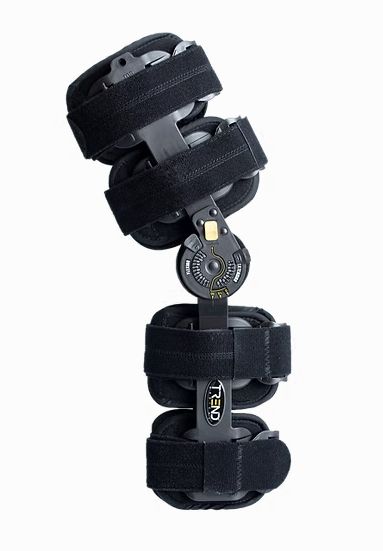
The Trend Recoup Gen 2 Knee Brace is a telescoping post-operative orthosis designed to immobilize the knee when full motion is not recommended after surgery. Its primary purpose is to protect healing tissues while allowing controlled and customizable range of motion, which is essential during early recovery.
This advanced knee brace is equipped with a precision range-of-motion dial and a secure drop-lock hinge system, giving both patients and clinicians the ability to customize flexion and extension limits based on individual recovery goals.
Key Features and Benefits
- Enhanced Stability: The brace effectively restricts motion to protect surgical repairs and reduce strain on healing tissues.
- Adjustable Range of Motion: The precision dial allows flexion settings up to 120° and extension settings from 0°, empowering tailored rehabilitation.
- Drop Lock Hinge: A reliable mechanism secures the selected settings, ensuring consistent support throughout recovery.
- Lightweight and Comfortable: Designed with a lightweight frame and advanced quick-clip straps to ensure a secure yet comfortable fit.
Who Is It For?
This knee brace is ideal for patients recovering from a range of procedures or injuries, including:
- ACL, PCL, MCL, and LCL repairs
- Meniscal repairs
- Tibial plateau fractures
- Osteochondral procedures
- Patellar tendon repairs
- High tibial osteotomy
Each of these conditions benefits from controlled motion and knee protection during the early healing phase.
Sizing and Fit - LINK
Designed as a universal knee brace, the Trend Recoup Gen 2 fits both left and right legs and accommodates thigh circumferences up to 36 inches. Its telescoping design adjusts from approximately 17¾″ to 26″ for a more personalized fit.
Whether you’re a patient looking to optimize recovery after knee surgery or a healthcare provider selecting the right orthotic device, the Trend Recoup Gen 2 Knee Brace offers professional-level performance, adjustability, and comfort that supports healing every step of the way.
Medical Disclaimer
The information provided in this article is for educational and informational purposes only and is not intended as medical advice. A knee brace should only be used under the guidance and recommendation of a licensed healthcare professional. Always consult your physician or qualified medical provider regarding any medical condition, diagnosis, or treatment plan.
Individual results may vary depending on the patient’s condition, surgical procedure, and compliance with medical instructions. The products mentioned are medical devices and should be fitted and adjusted by a qualified healthcare provider.
If you experience pain, swelling, numbness, skin irritation, or any unusual symptoms while using a knee brace, discontinue use and seek medical attention immediately.
Knuckle Orthosis: Purpose, Benefits, and Applications
Knuckle Orthosis Knuckle Orthosis: Purpose, Benefits, and Applications A Knuckle Orthosis is a specialized medical device designed to provide stability, support, and protection to the metacarpophalangeal (MCP) joints—the knuckles of the hand. These orthotic devices are commonly used in the… Continue Reading…

Wrist and Hand Braces: Support, Relief, and Rehabilitation for Hand and Wrist Conditions
Wrist and Hand Braces Introduction Wrist and hand braces are essential tools for individuals managing pain, recovering from injuries, or dealing with chronic conditions such as carpal tunnel syndrome, arthritis, or tendonitis. These braces provide stability, compression, and support to… Continue Reading…

Orthopedic Shoulder Braces: Support for Shoulder Injuries and Chronic Conditions
Orthopedic Shoulder Braces Introduction Orthopedic shoulder braces are designed to provide support and stabilization for individuals recovering from shoulder injuries, managing chronic shoulder pain, or undergoing post-surgical rehabilitation. These braces help alleviate discomfort, protect the shoulder joint, and prevent further… Continue Reading…