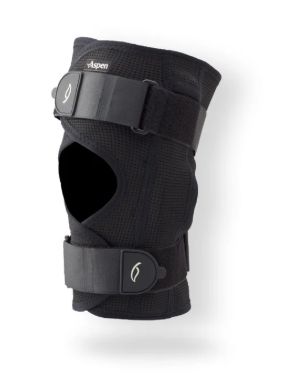
Aspen ROM Knee Brace – Long Description & Functionality
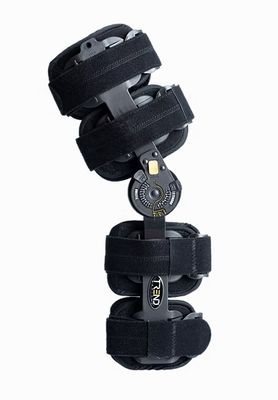
The Aspen ROM (Range of Motion) Knee Brace is a state-of-the-art orthopedic device designed to deliver precise control over knee joint movement while offering exceptional comfort, compression, and stability. Engineered for patients recovering from surgery, injury, or managing chronic instability, the Aspen ROM Knee helps facilitate safe rehabilitation by allowing controlled, incremental movement of the knee joint.
With HCPCS codes L1832 and L1833 approved, this brace is recognized for its therapeutic benefits and qualifies for insurance reimbursement under those categories, depending on its specific features.
Functional Overview
- Controlled Range of Motion (ROM):
At the core of the Aspen ROM Knee Brace is its adjustable, polycentric hinge system, which allows clinicians or patients to precisely set flexion and extension limits. This is critical for post-operative rehabilitation, as it helps prevent re-injury while promoting safe mobility. The hinge settings typically range in increments of 10°–15°, allowing for progressive increase or restriction of motion based on the patient’s recovery phase. - Optimal Compression and Support:
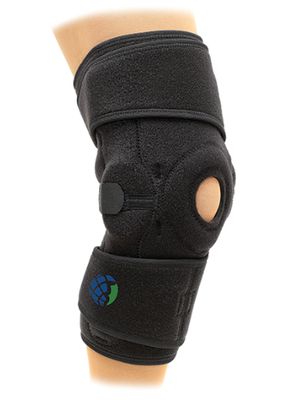
The brace features a compression sleeve or wrap system, designed to provide consistent, circumferential pressure around the knee. This not only stabilizes the joint but also reduces swelling, improves proprioception, and supports soft tissue healing. The rigid frame construction further ensures lateral and medial stability, protecting injured ligaments such as the ACL, PCL, MCL, and LCL. - Post-Operative and Injury Rehabilitation:
The Aspen ROM Knee is frequently prescribed for:- ACL or PCL reconstruction
- Meniscal repair
- Collateral ligament injuries
- Fracture stabilization
- General ligamentous instability
- Controlled mobilization after knee surgery
- Adjustability and Custom Fit:
The brace includes adjustable straps and cushioned contact points, enabling a snug fit tailored to the patient’s anatomy. Its intuitive design allows for quick donning and doffing, even for individuals with limited mobility. The telescoping uprights (in some versions) can accommodate varying leg lengths and swelling throughout recovery. - Comfort-Focused Design:
Aspen integrates its well-known focus on patient comfort into this brace with padded liners, breathable materials, and a lightweight frame. These features help prevent skin irritation and make the brace more tolerable during prolonged use, which is especially important during post-operative recovery.
Reimbursement & HCPCS Coding
- HCPCS Code L1832: Knee orthosis, adjustable knee joints (unicentric or polycentric), positional orthosis, rigid support, prefabricated, includes fitting and adjustment.
- HCPCS Code L1833: Same as L1832, but with inflatable air support.
The Aspen ROM Knee is generally coded under L1832 unless it includes an inflatable pneumatic system designed to deliver adjustable air compression, in which case L1833 is applicable.
These codes are Medicare and private insurance-approved and are used to identify prefabricated hinged knee braces that offer significant medial-lateral and anteroposterior support, especially when adjustable ROM settings are included.
Documentation Tip: For billing purposes, be sure to document:
- The medical necessity for a ROM control knee orthosis
- The patient's diagnosis and post-operative condition
- Specific limitations in range of motion or instability
- Provider notes regarding brace fitting and adjustment
Conclusion
The Aspen ROM Knee Brace is a clinically proven, insurance-reimbursable solution for knee stabilization and rehabilitation. Combining rigid structural support with customizable motion control and compression, this brace meets the needs of post-surgical patients and individuals recovering from complex ligament injuries. Its design promotes recovery while ensuring patient comfort, making it a trusted choice for orthopedic specialists, surgeons, and physical therapists.
Braces and Splints for Common Musculoskeletal Conditions: A Complete Guide to Support, Recovery, and Injury Prevention
Braces and Splints for Common Musculoskeletal Conditions: A Complete Guide to Support, Recovery, and Injury Prevention Understanding Braces and Splints for Musculoskeletal Conditions Musculoskeletal conditions affect millions of people every year and are among the leading causes of pain, disability,… Continue Reading…
Effective Solutions for Thoracic and Lumbar Spine Support
Effective Solutions for Thoracic and Lumbar Spine Support Advanced Thoracic and Lumbar Spine Support with the Trend Correx TLSO A Modern Solution for Postural Correction, Spinal Stability, and Recovery Spinal conditions affecting the thoracic and lumbar regions can significantly impact… Continue Reading…
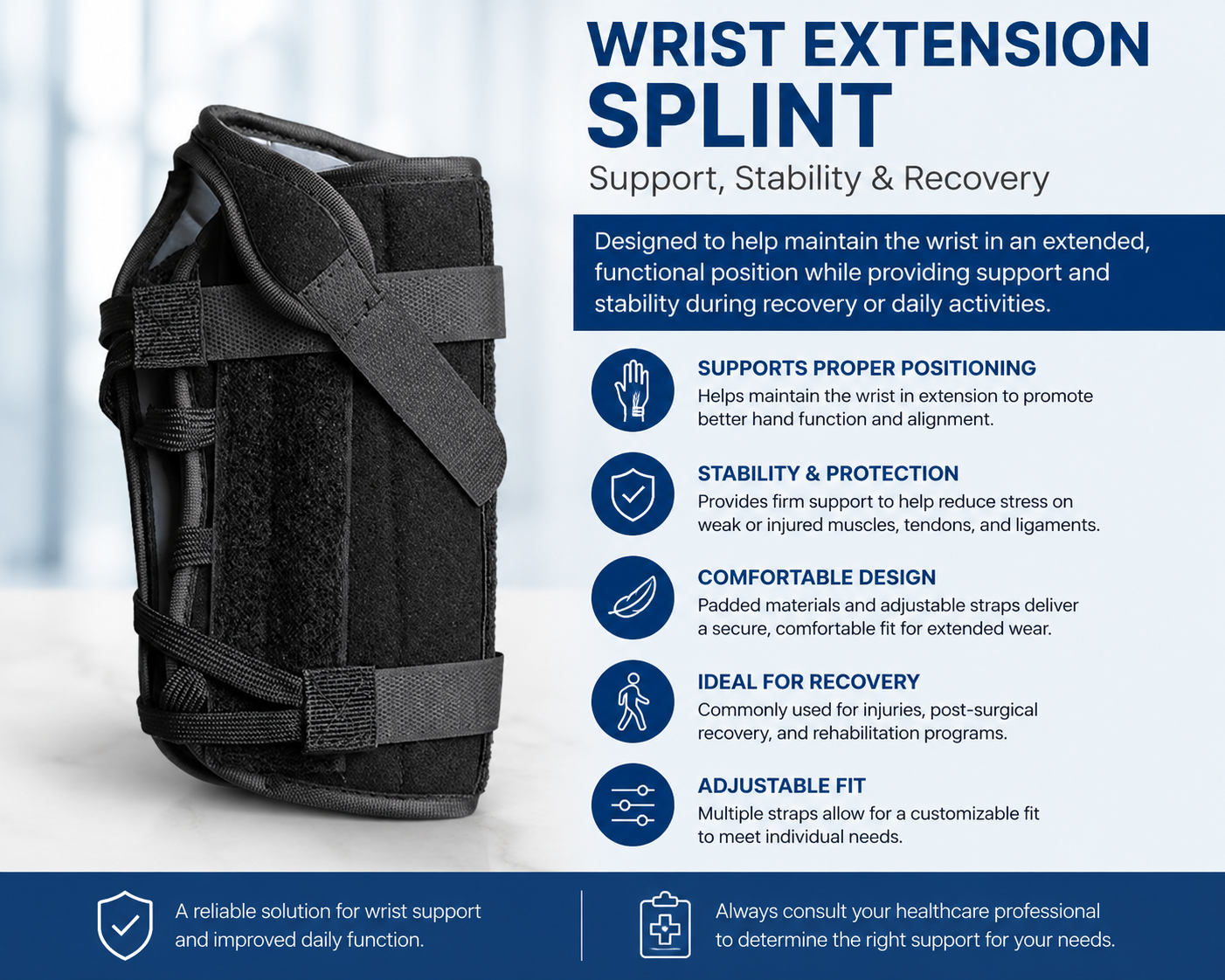
Wrist Extension Splints: Benefits, Uses, and Recovery Support
Wrist Extension Splints: Benefits, Uses, and Recovery Support Wrist Extension Splints: A Complete Guide to Support, Recovery, and Improved Function The wrist plays a critical role in nearly every daily activity, from typing and writing to lifting objects and performing… Continue Reading…