Table of Contents
Foot Drop
Introduction
Foot drop is a condition characterized by difficulty lifting the front part of the foot, which can cause dragging while walking. This condition, often resulting from nerve injury, muscle disorders, or neurological diseases, affects mobility and safety. Foot drop orthotics, commonly known as Ankle-Foot Orthoses (AFOs), are specially designed devices that provide support and improve gait. This article explores the different types of foot drop orthotics, their benefits, and how to choose the right one for your condition.
What Is Foot Drop?
Foot drop, also known as drop foot, is a symptom of an underlying problem rather than a disease itself. It can result from:
- Nerve Injury: Damage to the peroneal nerve, which controls the muscles responsible for lifting the foot, is a common cause of foot drop.
- Muscle Disorders: Conditions such as muscular dystrophy or polio can weaken the muscles needed to lift the foot.
- Neurological Conditions: Diseases such as multiple sclerosis (MS), amyotrophic lateral sclerosis (ALS), and stroke can disrupt nerve signals, leading to foot drop.
People with foot drop often need assistance to lift their foot and avoid tripping, making orthotic devices crucial for mobility and safety.
Types of Foot Drop Orthotics
Foot drop orthotics come in various forms, each designed to address different levels of severity and provide different levels of support. Below are the most common types:
Rigid Ankle-Foot Orthoses (AFOs)
- Rigid AFOs are designed to immobilize the ankle joint, keeping the foot at a right angle to the leg. This helps lift the front part of the foot, preventing it from dragging while walking.
- These braces are typically made of plastic or carbon fiber and are custom-fitted to the wearer’s leg for optimal support.
- Rigid AFOs are suitable for individuals with severe foot drop or those who need maximum stability and control during movement.
Dynamic Ankle-Foot Orthoses
- Dynamic AFOs offer a balance between stability and flexibility. They allow for some ankle movement while providing the support needed to lift the foot during walking.
- Made from lighter and more flexible materials like carbon fiber, these braces are designed for active individuals who need mobility while managing foot drop.
- Dynamic AFOs are beneficial for those who want to maintain some degree of natural foot movement and flexibility.
Posterior Leaf Spring (PLS) Braces
- PLS braces are a type of AFO designed to provide mild to moderate support for individuals with less severe foot drop.
- These braces feature a thin, flexible plastic design that allows for some forward and backward motion at the ankle joint, enabling a more natural gait pattern.
- PLS braces are lightweight and less restrictive, making them suitable for everyday activities and mild foot drop cases.
Functional Electrical Stimulation (FES) Devices
- FES devices use electrical impulses to stimulate the muscles responsible for lifting the foot. These devices are worn around the leg and help activate the nerves and muscles involved in foot movement.
- FES devices are effective for individuals with neurological conditions like multiple sclerosis or post-stroke foot drop, as they target the muscles directly to promote more natural movement.
- These devices are lightweight, non-invasive, and often controlled with a small remote, making them a modern alternative to traditional braces.
Custom-Made AFOs
- For individuals with complex needs or severe cases of foot drop, custom-made AFOs are an option. These braces are designed specifically for the patient’s foot and leg structure, offering tailored support and comfort.
- Custom AFOs are often recommended for those with multiple conditions affecting the foot and ankle or when off-the-shelf solutions do not provide the necessary support.
Benefits of Foot Drop Orthotics
Foot drop orthotics offer numerous benefits that significantly improve mobility, safety, and quality of life:
- Improved Gait: Orthotics help lift the foot, allowing for a more natural and balanced walking pattern, reducing the risk of tripping or falling.
- Increased Stability: By stabilizing the foot and ankle, these devices provide the support needed for walking, standing, and performing daily activities with confidence.
- Reduced Fatigue: By improving foot positioning and mechanics, orthotics reduce the effort required for walking, making movement less tiring.
- Pain Relief: Proper foot alignment can alleviate pain in the foot, ankle, and lower leg by preventing abnormal movement patterns.
- Enhanced Safety: Orthotics reduce the risk of injury by preventing the foot from dragging or twisting during movement.
Choosing the Right Foot Drop Orthotic
Selecting the right foot drop orthotic is essential for maximizing its benefits. Here are key factors to consider:
Severity of Foot Drop
- Assess the severity of your condition: Is it mild, moderate, or severe? For mild cases, a dynamic AFO or PLS brace may be sufficient, while severe cases might require a rigid AFO.
- Consult with a healthcare professional, such as an orthotist or physical therapist, to determine the best brace for your needs.
Activity Level
- Consider your daily activities. If you are an active individual, a dynamic AFO that allows some ankle movement may be ideal. For those who require stability for walking short distances, a rigid AFO may be more appropriate.
- FES devices are suitable for those seeking a non-restrictive solution that supports natural movement.
Material and Comfort
- AFOs come in various materials, including plastic, carbon fiber, and flexible polymers. Choose a material that balances comfort, support, and weight, especially if you need to wear the brace for extended periods.
- Custom-made AFOs provide a tailored fit, ensuring optimal comfort and effectiveness.
Fit and Adjustability
- Ensure the orthotic fits properly and can be adjusted as needed. A proper fit is crucial for the brace to function effectively and prevent skin irritation or discomfort.
- Work with an orthotist for custom fittings or adjustments to off-the-shelf braces to achieve the best results.
Proper Use and Maintenance of Foot Drop Orthotics
Using and maintaining foot drop orthotics correctly is vital for their effectiveness:
Follow Medical Advice
- Wear the orthotic as directed by your healthcare provider. Incorrect usage may compromise effectiveness or cause discomfort.
- For FES devices, follow the instructions for proper placement and settings to stimulate the muscles effectively.
Regular Cleaning
- Clean the orthotic regularly, especially if worn daily. Most AFOs can be wiped down with a mild soap solution and a damp cloth. Allow it to air dry completely.
- FES devices may have specific cleaning instructions, so always refer to the manufacturer’s guidelines.
Inspect for Wear and Tear
- Check the brace frequently for signs of wear, such as cracks, fraying straps, or damaged hinges. Replacing worn parts or the entire device ensures it continues to provide proper support.
Combine with Physical Therapy
- Physical therapy exercises aimed at strengthening the muscles around the ankle and foot can complement the use of orthotics. Your healthcare provider can recommend exercises tailored to your condition.
Conclusion
Foot drop orthotics are essential tools for individuals dealing with foot drop, providing support, stability, and improved mobility. Whether you choose a rigid AFO, a dynamic brace, or an FES device, understanding the different types of orthotics and selecting the right one for your needs is crucial for optimizing mobility and safety. Always consult a healthcare professional for guidance in choosing the best solution for your condition, and follow proper care guidelines to ensure long-term effectiveness and comfort.
Trend Recoup Gen. 2 Knee Brace
Trend Recoup Gen 2 Knee Brace: Advanced Support for Post-Op Recovery
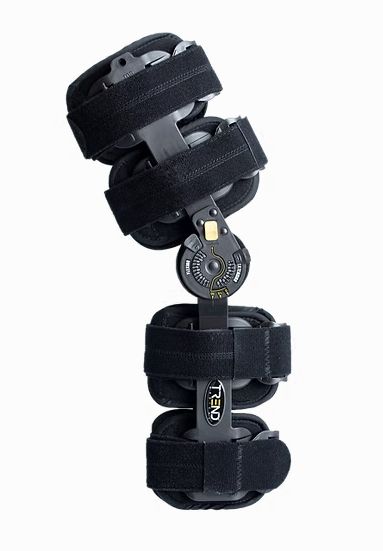
When it comes to effective rehabilitation after knee surgery, the right knee brace can make all the difference. The Trend Recoup Gen 2 Knee Brace is a professional-grade orthopedic device engineered to provide exceptional post-operative support, stability, and controlled movement to help patients recover safely and efficiently.
What Is the Trend Recoup Gen 2 Knee Brace?
The Trend Recoup Gen 2 Knee Brace is a telescoping post-operative orthosis designed to immobilize the knee when full motion is not recommended after surgery. Its primary purpose is to protect healing tissues while allowing controlled and customizable range of motion, which is essential during early recovery.
This advanced knee brace is equipped with a precision range-of-motion dial and a secure drop-lock hinge system, giving both patients and clinicians the ability to customize flexion and extension limits based on individual recovery goals.
Key Features and Benefits
- Enhanced Stability: The brace effectively restricts motion to protect surgical repairs and reduce strain on healing tissues.
- Adjustable Range of Motion: The precision dial allows flexion settings up to 120° and extension settings from 0°, empowering tailored rehabilitation.
- Drop Lock Hinge: A reliable mechanism secures the selected settings, ensuring consistent support throughout recovery.
- Lightweight and Comfortable: Designed with a lightweight frame and advanced quick-clip straps to ensure a secure yet comfortable fit.
Who Is It For?
This knee brace is ideal for patients recovering from a range of procedures or injuries, including:
- ACL, PCL, MCL, and LCL repairs
- Meniscal repairs
- Tibial plateau fractures
- Osteochondral procedures
- Patellar tendon repairs
- High tibial osteotomy
Each of these conditions benefits from controlled motion and knee protection during the early healing phase.
Sizing and Fit - LINK
Designed as a universal knee brace, the Trend Recoup Gen 2 fits both left and right legs and accommodates thigh circumferences up to 36 inches. Its telescoping design adjusts from approximately 17¾″ to 26″ for a more personalized fit.
Whether you’re a patient looking to optimize recovery after knee surgery or a healthcare provider selecting the right orthotic device, the Trend Recoup Gen 2 Knee Brace offers professional-level performance, adjustability, and comfort that supports healing every step of the way.
Medical Disclaimer
The information provided in this article is for educational and informational purposes only and is not intended as medical advice. A knee brace should only be used under the guidance and recommendation of a licensed healthcare professional. Always consult your physician or qualified medical provider regarding any medical condition, diagnosis, or treatment plan.
Individual results may vary depending on the patient’s condition, surgical procedure, and compliance with medical instructions. The products mentioned are medical devices and should be fitted and adjusted by a qualified healthcare provider.
If you experience pain, swelling, numbness, skin irritation, or any unusual symptoms while using a knee brace, discontinue use and seek medical attention immediately.
Knuckle Orthosis: Purpose, Benefits, and Applications
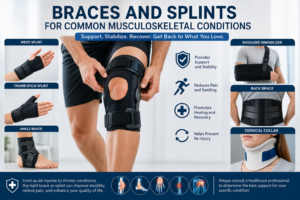
Knuckle Orthosis Knuckle Orthosis: Purpose, Benefits, and Applications A Knuckle Orthosis is a specialized medical device designed to provide stability, support, and protection to the metacarpophalangeal (MCP) joints—the knuckles of the hand. These orthotic devices are commonly used in the… Continue Reading…

Wrist and Hand Braces: Support, Relief, and Rehabilitation for Hand and Wrist Conditions
Wrist and Hand Braces Introduction Wrist and hand braces are essential tools for individuals managing pain, recovering from injuries, or dealing with chronic conditions such as carpal tunnel syndrome, arthritis, or tendonitis. These braces provide stability, compression, and support to… Continue Reading…

Orthopedic Shoulder Braces: Support for Shoulder Injuries and Chronic Conditions
Orthopedic Shoulder Braces Introduction Orthopedic shoulder braces are designed to provide support and stabilization for individuals recovering from shoulder injuries, managing chronic shoulder pain, or undergoing post-surgical rehabilitation. These braces help alleviate discomfort, protect the shoulder joint, and prevent further… Continue Reading…