Ankle-foot Orthotic
Foot drop orthotics are specialized devices designed to assist individuals with foot drop, a condition where the front part of the foot cannot be lifted, leading to difficulty walking and an increased risk of tripping or falling. These orthotic devices help support the foot and ankle to promote proper gait and improve mobility.
What is Foot Drop?
Foot drop is often caused by weakness, paralysis, or damage to the muscles responsible for lifting the foot (dorsiflexion). It can result from conditions such as:
- Nerve injuries (especially to the peroneal nerve)
- Neurological disorders (e.g., multiple sclerosis, cerebral palsy)
- Stroke
- Muscle disorders (e.g., muscular dystrophy)
- Spinal cord injuries
Types of Foot Drop Orthotics
Ankle Foot Orthosis (AFO)
- The most common type of orthotic for foot drop.
- Supports the ankle and foot, keeping the foot in a neutral position to prevent it from dragging.
- Can be made from rigid materials like plastic for maximum stability or more flexible materials like carbon fiber for dynamic support.
- Available in different styles, such as rigid, hinged, and posterior leaf spring AFOs, each offering various levels of movement and support.
Functional Electrical Stimulation (FES) Devices
- Use electrical impulses to stimulate the nerves and muscles responsible for lifting the foot.
- Helps achieve a more natural walking pattern.
- Often used in conjunction with physical therapy to improve long-term mobility.
Foot-Up Devices
- A lightweight and less bulky option compared to traditional AFOs.
- Consists of an elastic band or strap attached to the shoe, which lifts the foot when walking.
- Provides support without fully restricting ankle movement.
Toe-Off Braces
- Made of lightweight carbon fiber.
- Offer a balance of flexibility and support, allowing for a more natural gait.
- Suitable for active individuals who need durable support.
Benefits of Foot Drop Orthotics
- Improved Gait: Helps restore a more natural walking pattern by lifting the foot during the swing phase of walking.
- Increased Stability: Reduces the risk of tripping and falling by preventing the foot from dragging.
- Enhanced Mobility: Allows individuals to walk longer distances and engage in daily activities more comfortably.
- Support and Alignment: Provides the necessary support to keep the ankle and foot in proper alignment, reducing strain on other parts of the body.
Considerations When Using Foot Drop Orthotics
- Consult a healthcare professional to ensure the orthotic is properly fitted and suited to the individual’s condition.
- Wearing Schedule: Gradually increase the time spent wearing the orthotic to allow the body to adjust.
- Comfort and Fit: Ensure that the device does not cause skin irritation, pressure sores, or discomfort. Regular adjustments may be necessary for optimal fit.
- Complementary Therapies: Combining orthotic use with physical therapy exercises can help strengthen muscles and improve overall mobility.
Foot drop orthotics can make a significant difference in the quality of life for individuals affected by this condition by offering support, stability, and enhanced freedom of movement.
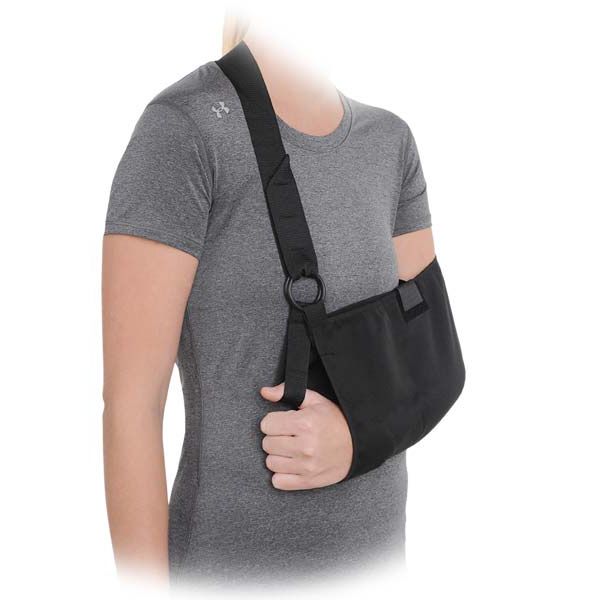
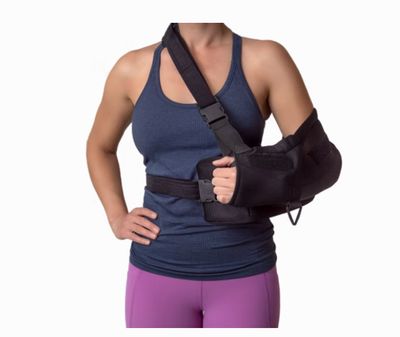
Premium Arm Sling
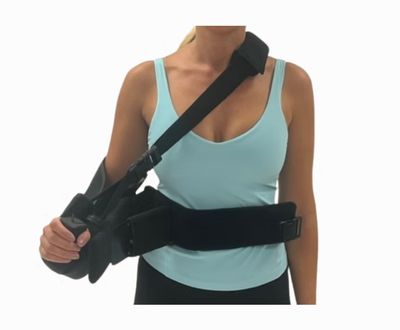
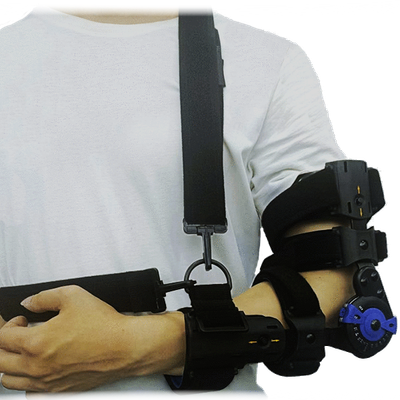
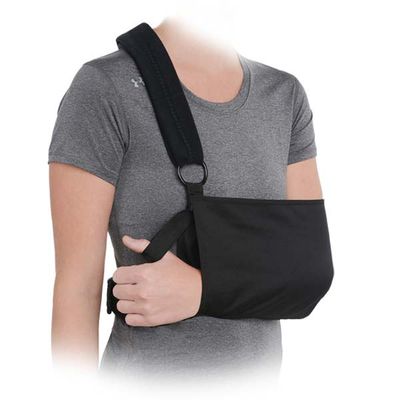
An arm sling is a supportive medical device designed to immobilize and support the arm, typically after an injury, surgery, or when recovering from a condition that affects the arm, shoulder, or wrist. Slings are commonly used to help reduce pain, prevent further injury, and facilitate healing by keeping the arm in a neutral and stable position.
Uses of an Arm Sling:
- Post-Surgery Recovery: After surgeries such as shoulder repairs, rotator cuff surgery, or elbow procedures, an arm sling helps immobilize the area and prevent unnecessary movement.
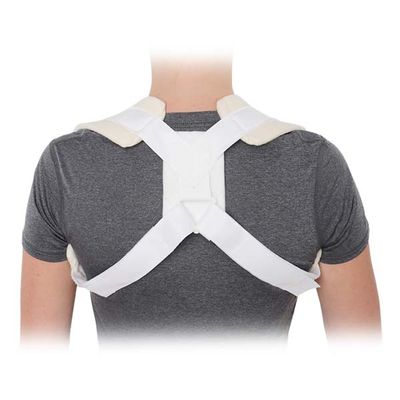
- Fractures: Used for fractures of the arm, collarbone (clavicle), or shoulder blade (scapula) to keep the arm stable while healing.
- Dislocations: A sling can help immobilize the arm after a shoulder or elbow dislocation, preventing further injury and allowing the joint to heal.
- Strains and Sprains: Slings provide support for muscles or ligaments that have been strained or sprained, limiting movement to promote healing.
- Chronic Conditions: Conditions like arthritis or bursitis may require the use of a sling to reduce strain on the affected joints.
SUGGESTED HCPC: N/A
ORDER NUMBER: 2211, 2213, 2215, 2217, 2218
SIZE: X-Small thru X-Large (see sizing chart to the left)
PRODUCT HIGHLIGHTS:
• Our most popular arm sling
• Velcro closure
• Easy to adjust
INDICATIONS: Arm injuries or instabilities post surgery.
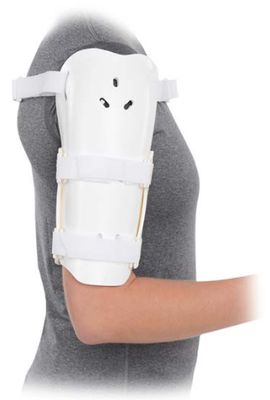
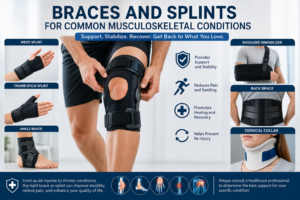
Braces and Splints for Common Musculoskeletal Conditions: A Complete Guide to Support, Recovery, and Injury Prevention
Braces and Splints for Common Musculoskeletal Conditions: A Complete Guide to Support, Recovery, and Injury Prevention Understanding Braces and Splints for Musculoskeletal Conditions Musculoskeletal conditions affect millions of people every year and are among the leading causes of pain, disability,… Continue Reading…
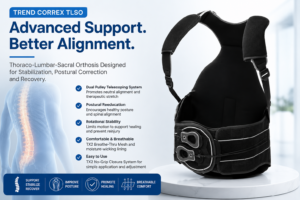
Effective Solutions for Thoracic and Lumbar Spine Support
Effective Solutions for Thoracic and Lumbar Spine Support Advanced Thoracic and Lumbar Spine Support with the Trend Correx TLSO A Modern Solution for Postural Correction, Spinal Stability, and Recovery Spinal conditions affecting the thoracic and lumbar regions can significantly impact… Continue Reading…
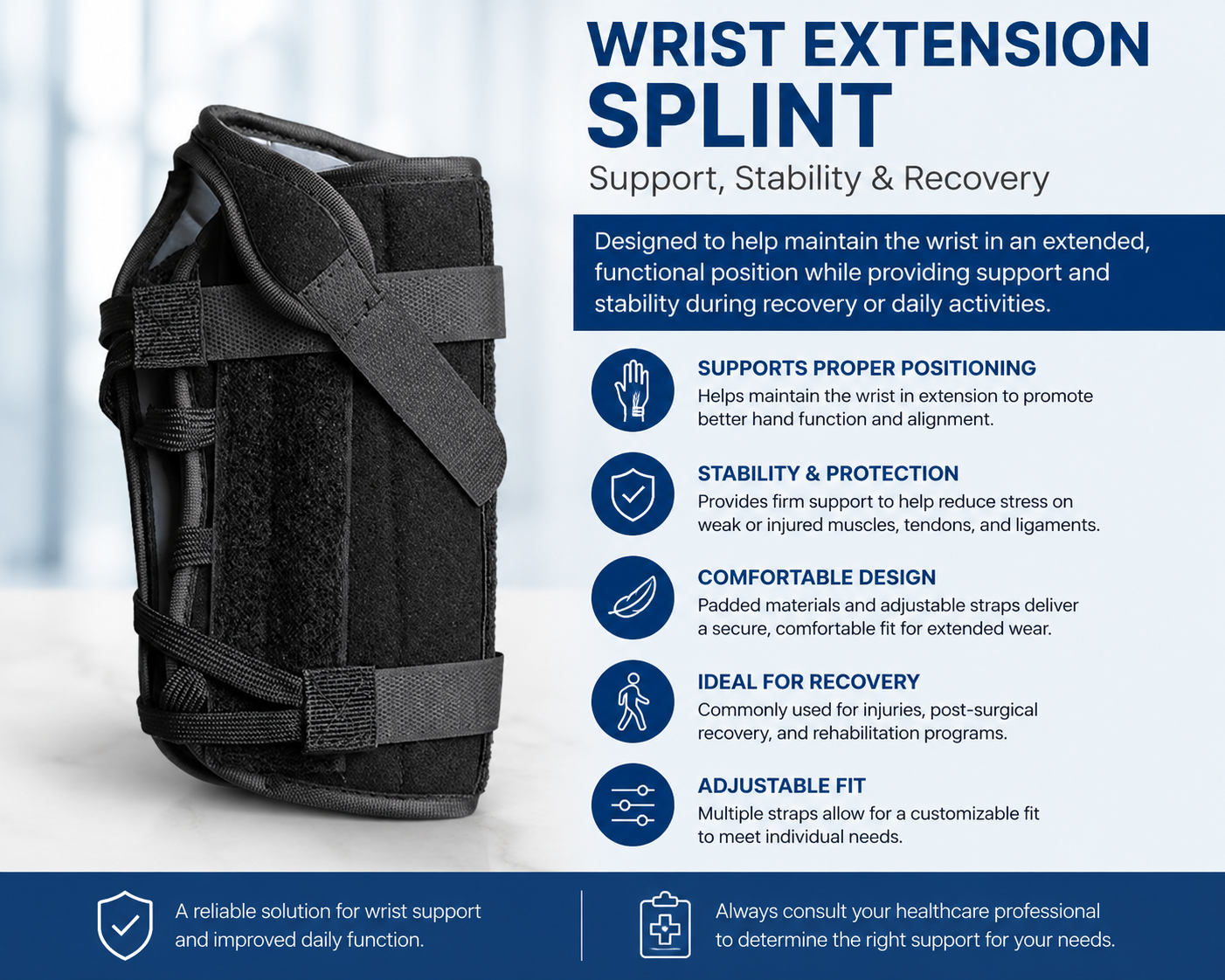
Wrist Extension Splints: Benefits, Uses, and Recovery Support
Wrist Extension Splints: Benefits, Uses, and Recovery Support Wrist Extension Splints: A Complete Guide to Support, Recovery, and Improved Function The wrist plays a critical role in nearly every daily activity, from typing and writing to lifting objects and performing… Continue Reading…