
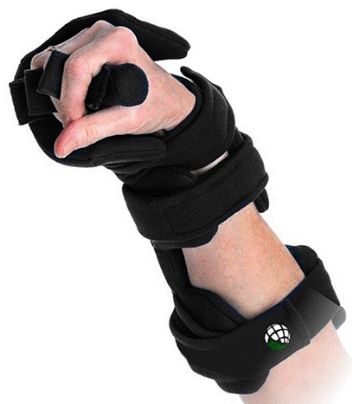
An Adjustable Wrist Orthosis, SUGGESTED HCPC: L3916 is a medical device designed to provide support, stability, and immobilization to the wrist while allowing for customization to fit individual needs. It is commonly used in the treatment of wrist injuries, chronic pain, or conditions requiring wrist immobilization or stabilization. Below is an explanation of its features and uses:
Key Features
- Adjustability:
- Equipped with adjustable straps, Velcro closures, or laces to customize the fit and compression according to the user's wrist size and comfort.
- Some models allow for adjustments to the angle or position of the wrist, providing tailored support for specific conditions.
- Supportive Design:
- Made from rigid or semi-rigid materials like plastic or metal splints embedded in soft, padded fabric.
- Provides stability to the wrist by limiting motion or maintaining it in a neutral or functional position.
- Universal Fit:
- Many adjustable orthoses are designed to fit a wide range of wrist sizes, making them versatile and convenient for multiple users.
- Breathable Materials:
- Often made from lightweight, breathable fabrics to ensure comfort during prolonged use.
- Equipped with adjustable straps, Velcro closures, or laces to customize the fit and compression according to the user's wrist size and comfort.
- Some models allow for adjustments to the angle or position of the wrist, providing tailored support for specific conditions.
- Made from rigid or semi-rigid materials like plastic or metal splints embedded in soft, padded fabric.
- Provides stability to the wrist by limiting motion or maintaining it in a neutral or functional position.
- Many adjustable orthoses are designed to fit a wide range of wrist sizes, making them versatile and convenient for multiple users.
- Often made from lightweight, breathable fabrics to ensure comfort during prolonged use.
Common Uses
- Injury Recovery:
- Helps immobilize the wrist after sprains, fractures, or surgeries to promote proper healing.
- Chronic Conditions:
- Provides support for managing pain associated with arthritis, tendonitis, or carpal tunnel syndrome.
- Post-Surgery Rehabilitation:
- Assists in post-operative care by stabilizing the wrist to prevent unnecessary movement.
- Spasticity Management:
- Used for neurological conditions like stroke, cerebral palsy, or multiple sclerosis to reduce spasticity and improve wrist positioning.
- Workplace Ergonomics:
- Worn by individuals performing repetitive tasks to prevent overuse injuries.
- Helps immobilize the wrist after sprains, fractures, or surgeries to promote proper healing.
- Provides support for managing pain associated with arthritis, tendonitis, or carpal tunnel syndrome.
- Assists in post-operative care by stabilizing the wrist to prevent unnecessary movement.
- Used for neurological conditions like stroke, cerebral palsy, or multiple sclerosis to reduce spasticity and improve wrist positioning.
- Worn by individuals performing repetitive tasks to prevent overuse injuries.
Benefits
- Reduces pain and inflammation by stabilizing the wrist and preventing harmful movements.
- Enhances recovery by promoting proper alignment and reducing strain on injured tissues.
- Lightweight and adjustable, allowing for prolonged use without significant discomfort.
These devices are commonly recommended by physicians, physical therapists, or occupational therapists and are often paired with exercises or therapy programs for optimal recovery.
SUGGESTED HCPC: L3916
ORDER NUMBER: 4100-E
SIZE: Universal
PRODUCT HIGHLIGHTS:
• Strong flexion synergy of the fingers and the wrist
• Adjustable hinge at the wrist to help increase wrist extension
• Optional finger separators help to prevent pressure areas
• Fits either left or right wrist
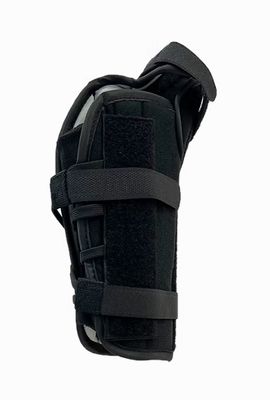
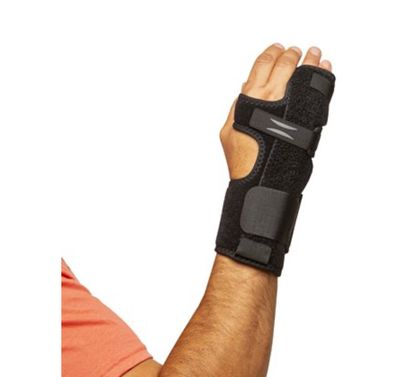
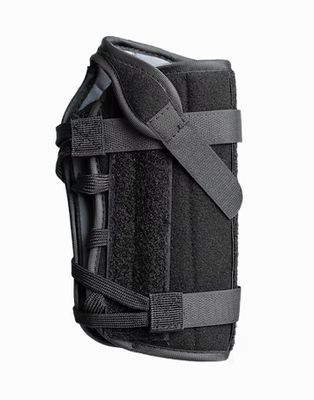
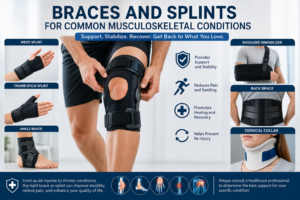
Braces and Splints for Common Musculoskeletal Conditions: A Complete Guide to Support, Recovery, and Injury Prevention
Braces and Splints for Common Musculoskeletal Conditions: A Complete Guide to Support, Recovery, and Injury Prevention Understanding Braces and Splints for Musculoskeletal Conditions Musculoskeletal conditions affect millions of people every year and are among the leading causes of pain, disability,… Continue Reading…
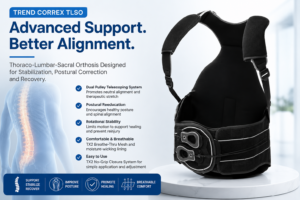
Effective Solutions for Thoracic and Lumbar Spine Support
Effective Solutions for Thoracic and Lumbar Spine Support Advanced Thoracic and Lumbar Spine Support with the Trend Correx TLSO A Modern Solution for Postural Correction, Spinal Stability, and Recovery Spinal conditions affecting the thoracic and lumbar regions can significantly impact… Continue Reading…
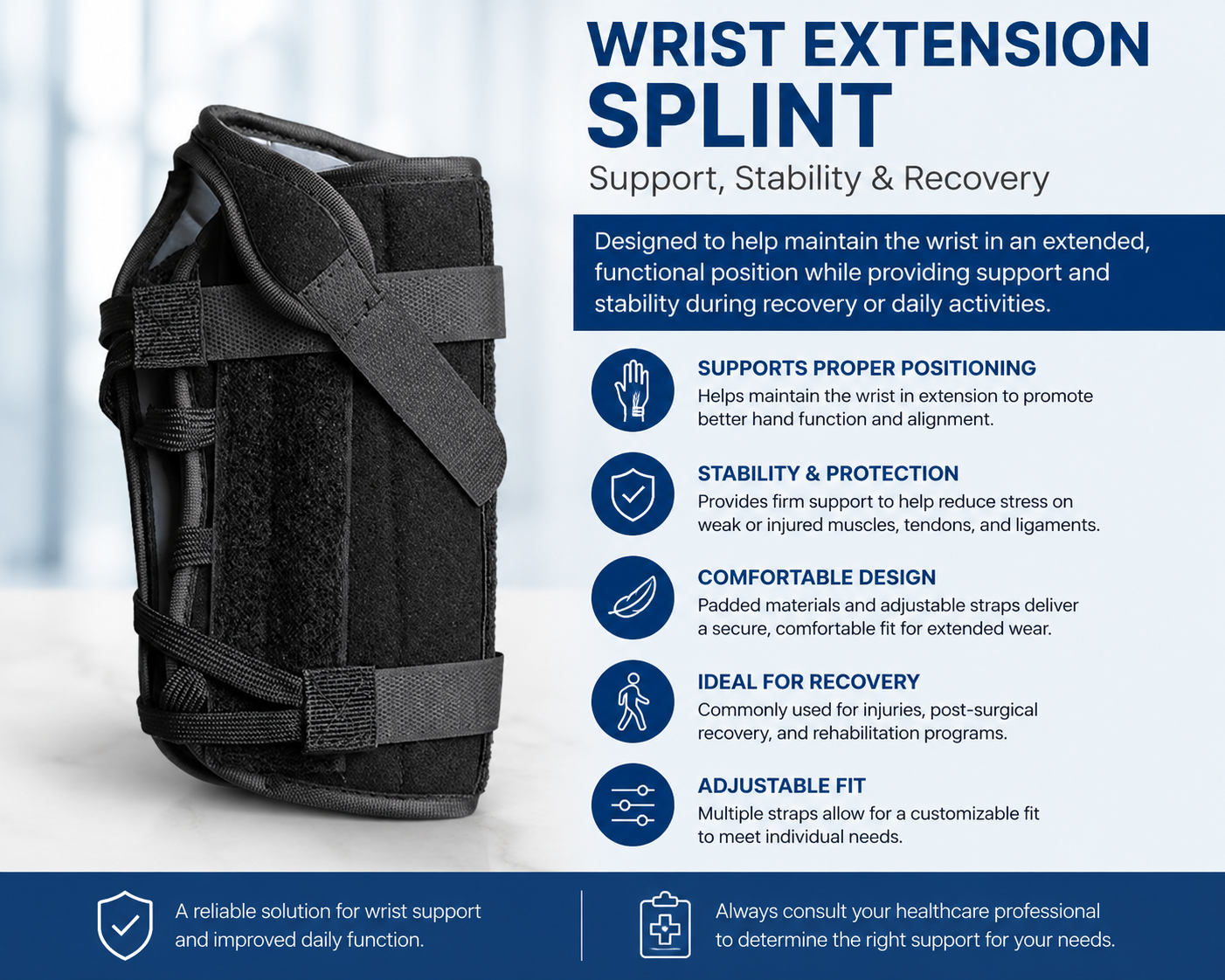
Wrist Extension Splints: Benefits, Uses, and Recovery Support
Wrist Extension Splints: Benefits, Uses, and Recovery Support Wrist Extension Splints: A Complete Guide to Support, Recovery, and Improved Function The wrist plays a critical role in nearly every daily activity, from typing and writing to lifting objects and performing… Continue Reading…