Orthopedic Shoulder Brace
An orthopedic shoulder brace is a medical device designed to support, stabilize, and protect the shoulder joint. It is commonly used for individuals recovering from shoulder injuries, surgery, or for those experiencing chronic conditions such as arthritis or rotator cuff problems.
Types of Orthopedic Shoulder Braces
Immobilizer Braces
- Used to keep the shoulder joint stable and limit movement following surgery, dislocation, or a significant injury.
- Often comes with an arm sling to support the arm and shoulder.
- Helps reduce pain and promote healing by immobilizing the affected area.
Stabilizing Braces
- Provide support to the shoulder joint while allowing some movement.
- Often used for conditions like shoulder instability, subluxation, or partial dislocations.
- Helps keep the shoulder in a proper position during physical activities.
Compression Sleeves
- Provide light support and compression to reduce swelling and pain.
- Typically used for minor injuries, inflammation, or conditions like bursitis and tendonitis.
- Can be worn during activities to help manage pain and provide mild support.
Posture Corrector Braces
- Designed to improve posture by pulling the shoulders back and aligning the spine.
- Can help alleviate shoulder and upper back pain associated with poor posture.
- Often used by individuals who spend long hours sitting or working at a desk.
Rotator Cuff Braces
- Specifically designed to support the rotator cuff muscles and reduce strain during movement.
- Often used for conditions such as rotator cuff tears, strains, or tendinitis.
- Helps limit excessive shoulder movement that can aggravate the injury.
Benefits of Using an Orthopedic Shoulder Brace
- Pain Relief: Helps reduce pain associated with shoulder injuries, arthritis, or muscle strain.
- Enhanced Stability: Provides support to weakened or unstable shoulder structures, allowing for safer movement.
- Protection During Recovery: Helps prevent further injury by stabilizing the shoulder joint while it heals.
- Improved Posture: Some shoulder braces can help improve posture by keeping the shoulders in a proper alignment.
- Support During Activities: Allows individuals to continue participating in physical activities or sports while managing shoulder conditions.
Indications for Use
- Dislocations or Subluxations: Shoulder braces can help stabilize the joint after a dislocation or if the shoulder is prone to subluxations (partial dislocations).
- Post-Surgical Recovery: Often used following shoulder surgeries such as rotator cuff repair, labral repair, or shoulder replacement.
- Rotator Cuff Injuries: Provides support for rotator cuff tears, strains, or inflammation.
- Arthritis: Helps manage pain and inflammation associated with osteoarthritis or rheumatoid arthritis in the shoulder joint.
- Shoulder Instability: Used for conditions that cause the shoulder to feel loose or prone to dislocating.
- Fractures or Soft Tissue Injuries: Supports healing of fractures in the collarbone or upper arm, as well as soft tissue injuries.
Considerations When Choosing a Shoulder Brace
- Type of Injury or Condition: Choose a brace that fits the specific shoulder issue (e.g., immobilizer for post-surgery, compression sleeve for inflammation).
- Level of Support Needed: Depending on the severity of the condition, select a brace that provides the appropriate level of support.
- Comfort and Fit: The brace should fit snugly without causing discomfort. Some braces are adjustable to accommodate different body types.
- Material: Look for breathable and lightweight materials to prevent irritation, especially if the brace will be worn for extended periods.
Tips for Using an Orthopedic Shoulder Brace
- Follow Medical Advice: Wear the brace as directed by a healthcare professional.
- Adjust for Comfort: Make sure the brace is not too tight, which can restrict circulation, or too loose, which may reduce its effectiveness.
- Regular Maintenance: Keep the brace clean and inspect it regularly for signs of wear and tear.
- Complementary Treatments: Use the brace along with physical therapy exercises to strengthen the shoulder and improve recovery.
Orthopedic shoulder braces are versatile tools that aid in the treatment and prevention of various shoulder conditions. They provide essential support, help manage pain, and protect the shoulder during recovery or physical activity.
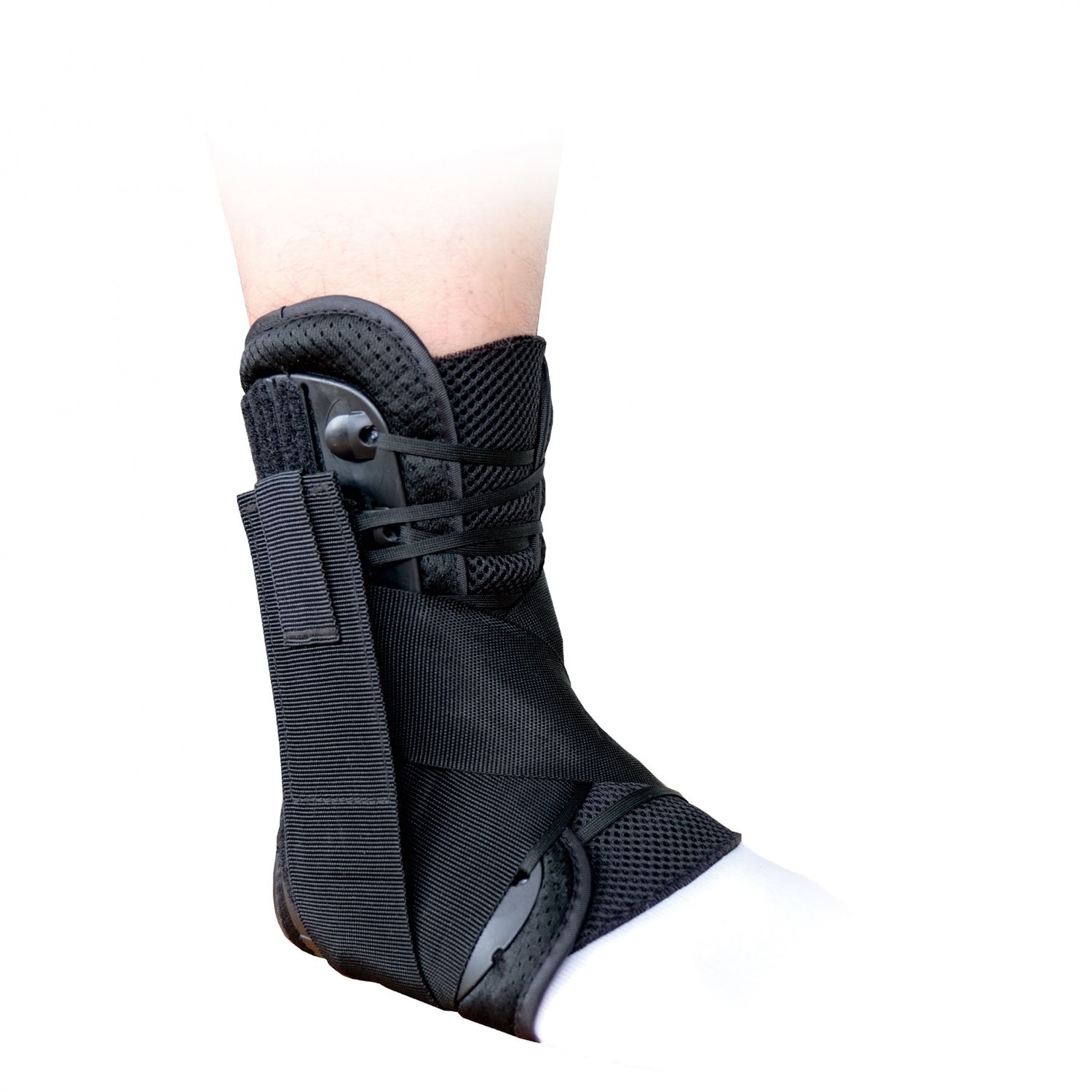
AO Stabilizer Ankle Brace SUGGESTED HCPC: L1902
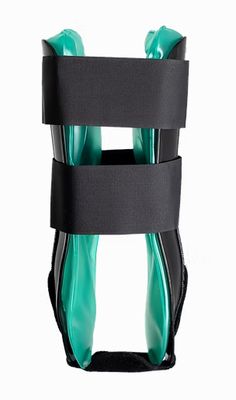
The Ankle Stabilizer Brace is a specialized orthopedic device designed to provide firm support and stability to the ankle joint, often used in the treatment and prevention of injuries such as sprains, strains, and chronic instability. It is widely used by athletes, individuals recovering from ankle surgery, or those dealing with chronic ankle issues.
ORDER NUMBER: 373, 375, 377, 378
SUGGESTED HCPC: L1902
SIZE: Small thru X-Large (see sizing chart to the left)
PRODUCT HIGHLIGHTS:
• Advanced ankle design provides the compression and comfort of a soft ankle brace but with 20% - 35% more protection than traditional stirrups
• Lightweight and low profile design that is highly breathable with quick drying fabric
• Top strap design for increased stabilization around the shin
• Speed laced design provides the option of a quick lace-up
• Figure 8 finger pull loops allow the user to easily adjust the strapping during donning and for a quick adjustment during use
• Fits either left or right ankle
INDICATIONS:
Chronic ankle instability, sub-acute ankle sprains, ankle injury rehabilitation.
SUGGESTED HCPC: L1902
Categories: Foot & Ankle
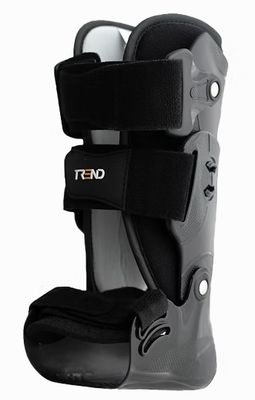
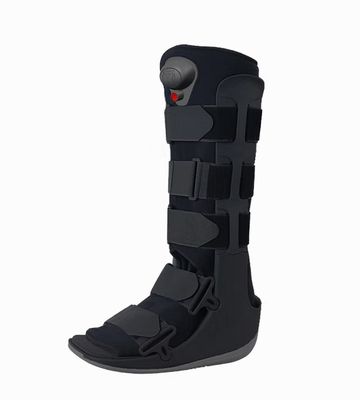
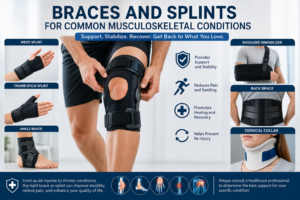
Braces and Splints for Common Musculoskeletal Conditions: A Complete Guide to Support, Recovery, and Injury Prevention
Braces and Splints for Common Musculoskeletal Conditions: A Complete Guide to Support, Recovery, and Injury Prevention Understanding Braces and Splints for Musculoskeletal Conditions Musculoskeletal conditions affect millions of people every year and are among the leading causes of pain, disability,… Continue Reading…
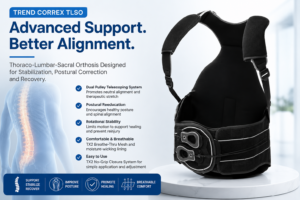
Effective Solutions for Thoracic and Lumbar Spine Support
Effective Solutions for Thoracic and Lumbar Spine Support Advanced Thoracic and Lumbar Spine Support with the Trend Correx TLSO A Modern Solution for Postural Correction, Spinal Stability, and Recovery Spinal conditions affecting the thoracic and lumbar regions can significantly impact… Continue Reading…
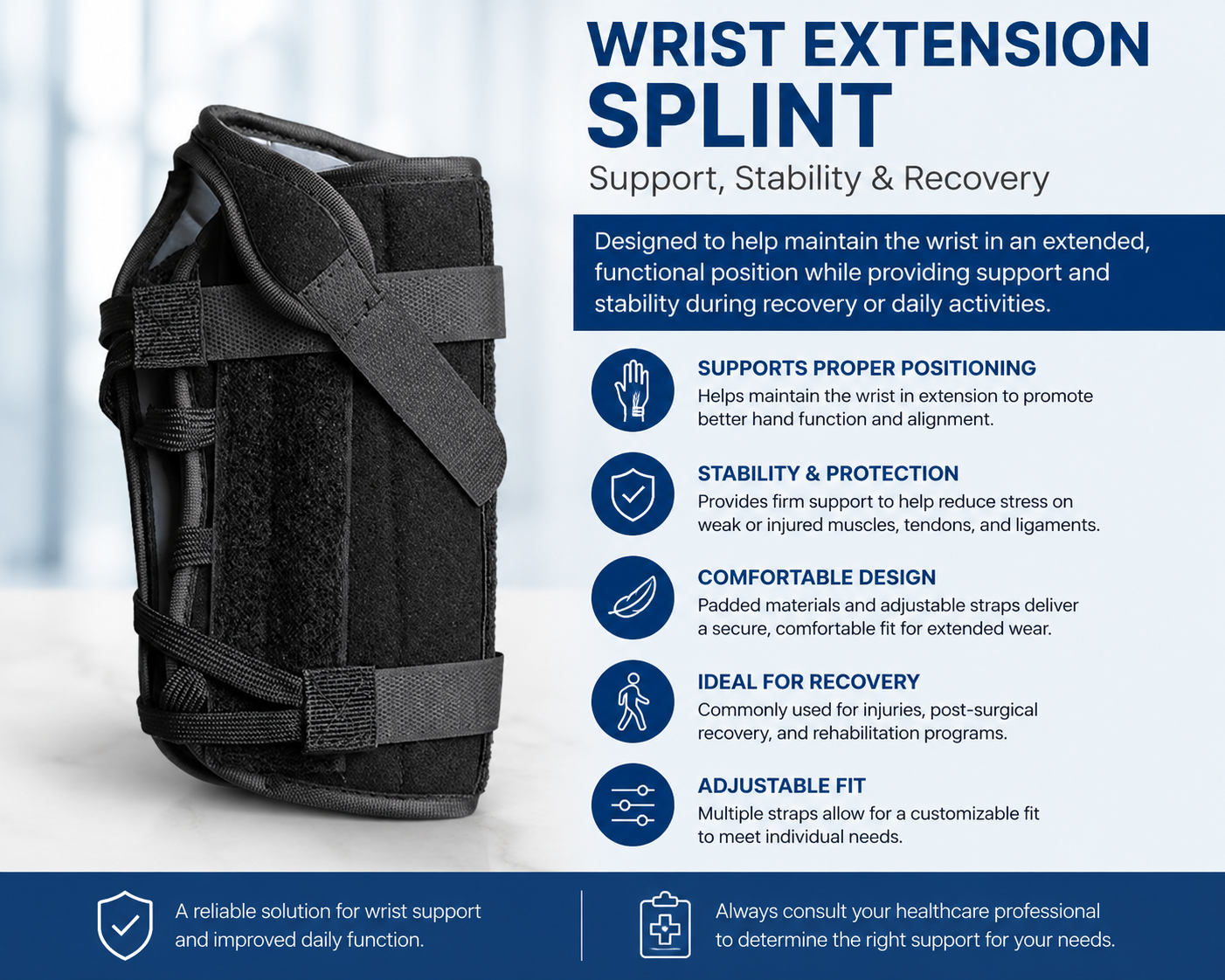
Wrist Extension Splints: Benefits, Uses, and Recovery Support
Wrist Extension Splints: Benefits, Uses, and Recovery Support Wrist Extension Splints: A Complete Guide to Support, Recovery, and Improved Function The wrist plays a critical role in nearly every daily activity, from typing and writing to lifting objects and performing… Continue Reading…