Spine Support Braces
Introduction
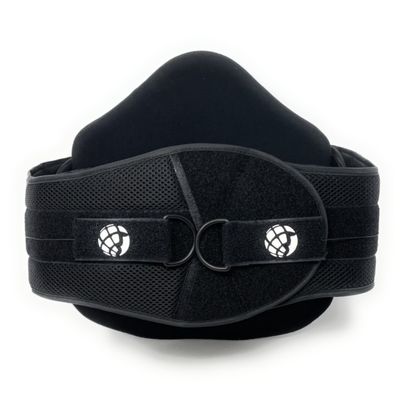
Spine support braces are crucial tools for individuals managing back pain, spinal conditions, or recovering from spinal surgery. These braces provide stabilization, alignment, and support to the spine, helping to alleviate pain and promote proper posture. Whether you suffer from chronic back pain, scoliosis, or a herniated disc, or need post-surgical support, the right spine support brace can make a significant difference. This article explores the different types of spine support braces, their benefits, and how to choose the most suitable one for your condition.
Types of Spine Support Braces
Spine support braces come in various forms, each designed to target specific spinal regions and conditions. Below are the most common types:
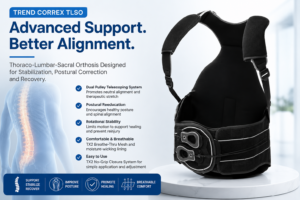
TLSO Braces (Thoracolumbosacral Orthosis)
- TLSO braces provide support for the thoracic (upper and middle) and lumbar (lower) regions of the spine. They are often used for conditions such as scoliosis, spinal fractures, and post-surgical recovery.
- These braces are rigid and custom-fitted to the wearer’s body to ensure proper alignment and immobilization, helping to prevent further damage and support healing.
- TLSO braces typically restrict movement, making them essential during the early stages of recovery when stabilization is critical.
LSO Braces (Lumbosacral Orthosis)
- LSO braces focus on supporting the lumbar (lower back) and sacral regions of the spine. They are used to treat conditions such as herniated discs, degenerative disc disease, and lumbar fractures.
- These braces are often semi-rigid, providing stabilization while allowing for some mobility.
- LSO braces are effective in managing chronic lower back pain and providing support during physical activities or rehabilitation.
Posture Correctors
- Posture corrector braces are designed to improve spinal alignment by gently pulling the shoulders back and aligning the upper spine. They are used to correct posture issues and alleviate pain associated with poor alignment.
- These braces are lightweight and less restrictive, making them comfortable for daily wear, especially for individuals who spend long hours sitting or working at a desk.
- Posture correctors help prevent chronic pain and strain by encouraging proper spinal positioning.
Corset Braces
- Corset braces provide support to the lower back and abdomen, offering compression that stabilizes the spine and alleviates pain. These braces are typically used for mild to moderate lower back pain and muscle strain.
- Flexible and adjustable, corset braces are designed to offer support during everyday activities, providing stability while allowing for movement.
- Corset braces are ideal for individuals needing additional support for the lumbar region while maintaining comfort and flexibility.
Sacroiliac (SI) Braces
- SI braces support the sacroiliac joint, located at the base of the spine where it connects to the pelvis. These braces help stabilize the joint, providing relief from lower back pain, hip pain, or pelvic dysfunction.
- SI braces are lightweight and wrap around the hips, offering targeted compression and support for the sacroiliac region.
- These braces are suitable for individuals experiencing SI joint dysfunction or pain related to pregnancy.
Benefits of Spine Support Braces
Spine support braces offer several benefits that can significantly improve quality of life for individuals with spinal conditions or chronic pain:
- Pain Relief: By providing stability and support, spine braces reduce strain on the spinal structures, helping alleviate pain associated with conditions like herniated discs, scoliosis, and muscle strain.
- Posture Improvement: Posture correctors help align the spine, reducing the risk of developing chronic pain due to poor posture.
- Support During Rehabilitation: After spinal surgery or injury, spine braces immobilize the spine, promoting proper healing and minimizing the risk of further injury.
- Enhanced Mobility: By stabilizing the spine, these braces allow individuals to engage in physical activities with greater confidence and reduced pain.
- Prevention of Further Injury: For individuals who lift heavy objects or engage in physically demanding work, wearing a spine brace can prevent injuries by supporting the lower back.
Choosing the Right Spine Support Brace
Selecting the right spine support brace is essential for achieving optimal results. Here are key factors to consider:
Type of Condition
- Identify your condition: Are you dealing with scoliosis, a herniated disc, degenerative disc disease, or post-surgical recovery?
- Consulting with a healthcare professional can help determine the most suitable brace for your specific needs.
Level of Support Needed
- Assess the level of support required. For severe conditions or post-surgical recovery, a rigid TLSO brace may be necessary, while mild lower back pain might only need a corset brace.
- Choosing the appropriate brace based on the severity of your condition ensures proper support and stability.
Material and Comfort
- Spine support braces are available in various materials, including rigid plastic for maximum immobilization and flexible fabrics for milder support and comfort.
- If the brace will be worn for extended periods, choose breathable, lightweight materials to prevent skin irritation.
Adjustability and Fit
- Ensure the brace offers adjustability through straps or laces for a customized fit. Proper fit is crucial for effective support and comfort.
- Work with your healthcare provider or orthotist to get a brace that fits well, especially if you require a custom-fitted TLSO or LSO brace.
Activity Level
- Consider your daily activities. If you need support during physical tasks or exercise, a flexible brace like a corset or SI brace may be ideal.
- For individuals who spend long periods sitting, posture correctors can help maintain alignment and prevent pain.
Proper Use and Maintenance of Spine Support Braces
Using a spine support brace correctly and maintaining it properly is essential for its effectiveness:
Follow Medical Guidance
- Wear the brace according to your doctor’s instructions. Overuse can lead to muscle weakness, while underuse may result in insufficient support.
- For post-surgical braces, wearing them continuously during the recovery period is often necessary.
Regular Cleaning
- Clean your spine brace regularly to maintain hygiene, especially if worn daily. Most braces can be hand-washed with mild soap and water and should be air-dried.
- Avoid machine washing or using harsh detergents, as these may damage the materials.
Inspect for Wear and Tear
- Check for signs of wear, such as frayed straps, weakened material, or broken hinges. Replacing worn parts or the entire brace ensures it continues to provide effective support.
Combine with Exercises
- Using a spine brace in conjunction with physical therapy exercises recommended by your healthcare provider can help strengthen the muscles around the spine, improving overall stability and reducing dependence on the brace over time.
Conclusion
Spine support braces are valuable tools for managing back pain, supporting spinal conditions, and aiding in post-surgical recovery. They provide essential stability, pain relief, and alignment, improving overall quality of life. Whether you need a brace for posture correction, chronic pain, or rehabilitation, understanding the different types of spine braces and selecting the right one is crucial for achieving the best outcome. Always consult with a healthcare professional to ensure you choose the most suitable option for your needs and follow proper care guidelines to maximize the brace’s effectiveness.
AO Easy Adjustable Wrist Orthosis SUGGESTED HCPC: L3916
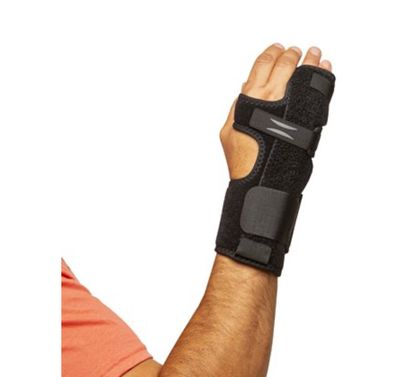
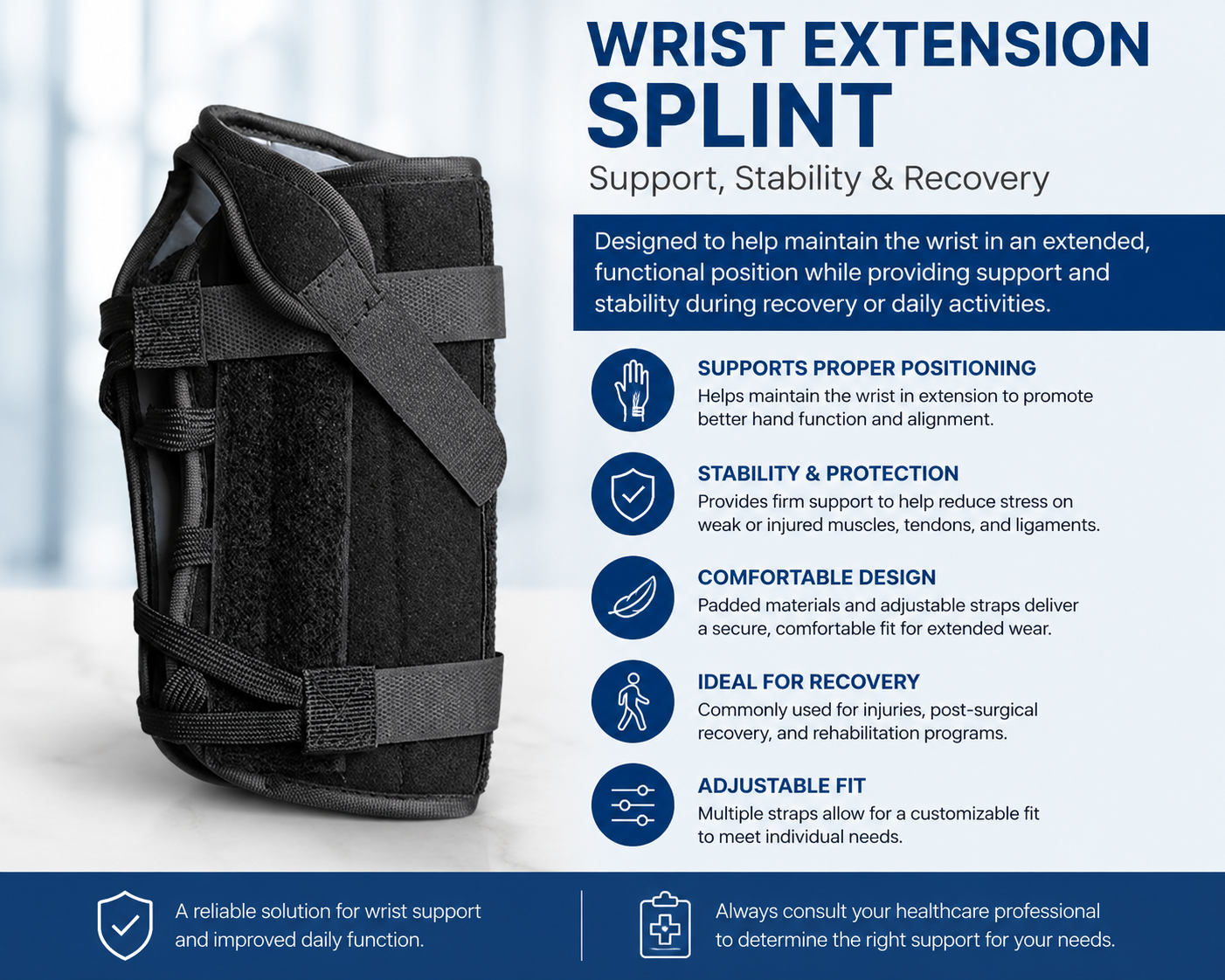
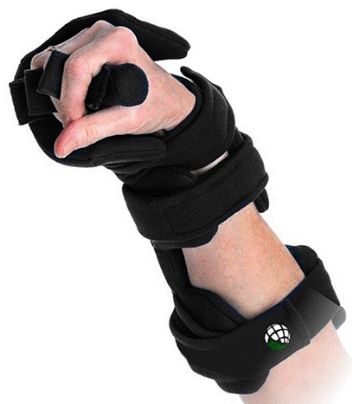
An Adjustable Wrist Orthosis, SUGGESTED HCPC: L3916 is a medical device designed to provide support, stability, and immobilization to the wrist while allowing for customization to fit individual needs. It is commonly used in the treatment of wrist injuries, chronic pain, or conditions requiring wrist immobilization or stabilization. Below is an explanation of its features and uses:
Key Features
- Adjustability:
- Equipped with adjustable straps, Velcro closures, or laces to customize the fit and compression according to the user's wrist size and comfort.
- Some models allow for adjustments to the angle or position of the wrist, providing tailored support for specific conditions.
- Supportive Design:
- Made from rigid or semi-rigid materials like plastic or metal splints embedded in soft, padded fabric.
- Provides stability to the wrist by limiting motion or maintaining it in a neutral or functional position.
- Universal Fit:
- Many adjustable orthoses are designed to fit a wide range of wrist sizes, making them versatile and convenient for multiple users.
- Breathable Materials:
- Often made from lightweight, breathable fabrics to ensure comfort during prolonged use.
- Equipped with adjustable straps, Velcro closures, or laces to customize the fit and compression according to the user's wrist size and comfort.
- Some models allow for adjustments to the angle or position of the wrist, providing tailored support for specific conditions.
- Made from rigid or semi-rigid materials like plastic or metal splints embedded in soft, padded fabric.
- Provides stability to the wrist by limiting motion or maintaining it in a neutral or functional position.
- Many adjustable orthoses are designed to fit a wide range of wrist sizes, making them versatile and convenient for multiple users.
- Often made from lightweight, breathable fabrics to ensure comfort during prolonged use.
Common Uses
- Injury Recovery:
- Helps immobilize the wrist after sprains, fractures, or surgeries to promote proper healing.
- Chronic Conditions:
- Provides support for managing pain associated with arthritis, tendonitis, or carpal tunnel syndrome.
- Post-Surgery Rehabilitation:
- Assists in post-operative care by stabilizing the wrist to prevent unnecessary movement.
- Spasticity Management:
- Used for neurological conditions like stroke, cerebral palsy, or multiple sclerosis to reduce spasticity and improve wrist positioning.
- Workplace Ergonomics:
- Worn by individuals performing repetitive tasks to prevent overuse injuries.
- Helps immobilize the wrist after sprains, fractures, or surgeries to promote proper healing.
- Provides support for managing pain associated with arthritis, tendonitis, or carpal tunnel syndrome.
- Assists in post-operative care by stabilizing the wrist to prevent unnecessary movement.
- Used for neurological conditions like stroke, cerebral palsy, or multiple sclerosis to reduce spasticity and improve wrist positioning.
- Worn by individuals performing repetitive tasks to prevent overuse injuries.
Benefits
- Reduces pain and inflammation by stabilizing the wrist and preventing harmful movements.
- Enhances recovery by promoting proper alignment and reducing strain on injured tissues.
- Lightweight and adjustable, allowing for prolonged use without significant discomfort.
These devices are commonly recommended by physicians, physical therapists, or occupational therapists and are often paired with exercises or therapy programs for optimal recovery.
SUGGESTED HCPC: L3916
ORDER NUMBER: 4100-E
SIZE: Universal
PRODUCT HIGHLIGHTS:
• Strong flexion synergy of the fingers and the wrist
• Adjustable hinge at the wrist to help increase wrist extension
• Optional finger separators help to prevent pressure areas
• Fits either left or right wrist
Knuckle Orthosis: Purpose, Benefits, and Applications
Knuckle Orthosis Knuckle Orthosis: Purpose, Benefits, and Applications A Knuckle Orthosis is a specialized medical device designed to provide stability, support, and protection to the metacarpophalangeal (MCP) joints—the knuckles of the hand. These orthotic devices are commonly used in the… Continue Reading…

Wrist and Hand Braces: Support, Relief, and Rehabilitation for Hand and Wrist Conditions
Wrist and Hand Braces Introduction Wrist and hand braces are essential tools for individuals managing pain, recovering from injuries, or dealing with chronic conditions such as carpal tunnel syndrome, arthritis, or tendonitis. These braces provide stability, compression, and support to… Continue Reading…

Orthopedic Shoulder Braces: Support for Shoulder Injuries and Chronic Conditions
Orthopedic Shoulder Braces Introduction Orthopedic shoulder braces are designed to provide support and stabilization for individuals recovering from shoulder injuries, managing chronic shoulder pain, or undergoing post-surgical rehabilitation. These braces help alleviate discomfort, protect the shoulder joint, and prevent further… Continue Reading…