Wrist and Hand Braces
Introduction
Wrist and hand braces are essential tools for individuals managing pain, recovering from injuries, or dealing with chronic conditions such as carpal tunnel syndrome, arthritis, or tendonitis. These braces provide stability, compression, and support to the wrist and hand joints, helping alleviate pain, reduce inflammation, and promote healing. Whether you are recovering from surgery, dealing with a sports injury, or managing a repetitive strain condition, the right wrist and hand brace can make a significant difference in your recovery and daily function. This article explores the different types of wrist and hand braces, their benefits, and how to choose the right one for your condition.
Types of Wrist and Hand Braces
Wrist and hand braces come in various forms, each tailored to specific conditions and levels of support. Below are the most common types:
Carpal Tunnel Braces
- These braces are specifically designed to alleviate symptoms associated with carpal tunnel syndrome, such as pain, numbness, and tingling in the hand and wrist.
- Carpal tunnel braces typically keep the wrist in a neutral position to reduce pressure on the median nerve, minimizing symptoms and preventing further damage.
- These braces often feature rigid or semi-rigid structures to provide support while allowing some degree of movement, making them suitable for use during sleep or work.
Thumb Spica Braces
- Thumb spica braces provide support to the wrist and thumb, helping manage conditions such as De Quervain’s tenosynovitis, thumb fractures, or arthritis.
- These braces stabilize the thumb while keeping the wrist in a neutral position, reducing pain and inflammation in the thumb area.
- Thumb spica braces are typically lightweight and designed for daily use, making them comfortable for activities requiring thumb and wrist movement.
Wrist Splints
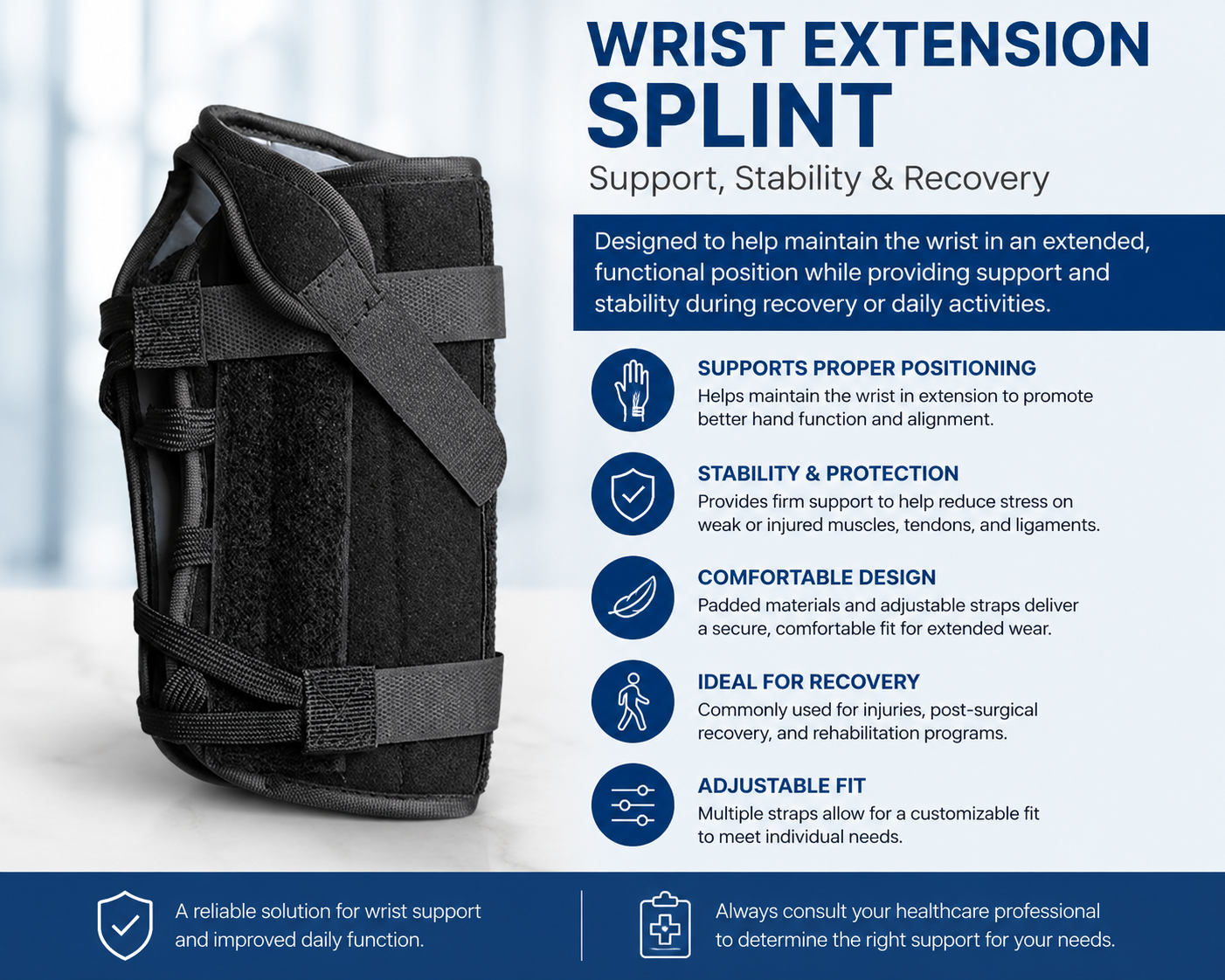
- Wrist splints are used to immobilize the wrist joint after an injury, such as a sprain or fracture. These braces stabilize the wrist, ensuring it remains in the correct position for proper healing.
- Splints usually include a rigid support structure, such as metal or plastic, to prevent bending of the wrist and provide maximum stability.
- Commonly prescribed for acute injuries, wrist splints are essential during the early stages of rehabilitation when complete immobilization is necessary.
Compression Sleeves
- Compression wrist and hand sleeves provide mild to moderate support and are used for minor conditions like tendonitis, arthritis, or wrist inflammation.
- Made from elastic, breathable materials, these sleeves offer compression and warmth that promotes blood circulation and reduces swelling.
- Compression sleeves are ideal for individuals who need light support during physical activities or for managing mild pain during everyday tasks.
Functional Wrist and Hand Braces
- Functional braces provide support for individuals who have suffered significant injuries or are recovering from surgery. These braces are designed to stabilize the wrist and hand while allowing for some controlled movement.
- These braces often feature adjustable straps or hinges that can be adjusted as the condition improves, providing a balance between support and mobility.
- Functional braces are suitable for athletes and individuals who need to gradually regain hand and wrist function during rehabilitation.
Benefits of Wrist and Hand Braces
Wrist and hand braces offer several benefits, especially for individuals recovering from injuries or managing chronic conditions:
- Pain Relief: Braces reduce pain by stabilizing the wrist and hand joints, minimizing strain on muscles and tendons, and providing compression to alleviate inflammation.
- Stability and Protection: Braces stabilize the wrist and hand, reducing the risk of further injury during activities or rehabilitation exercises.
- Post-Surgical Support: After surgery, such as carpal tunnel release or fracture repair, wrist and hand braces provide immobilization that allows tissues and bones to heal properly.
- Improved Functionality: Braces provide support while allowing sufficient mobility, enabling individuals to perform daily tasks or participate in sports with greater ease and confidence.
- Reduced Swelling and Inflammation: Compression braces promote circulation and reduce swelling, making them effective for managing conditions like arthritis and tendonitis.
Choosing the Right Wrist and Hand Brace
Selecting the right wrist and hand brace is essential for effective treatment and recovery. Here are key factors to consider:
Type of Condition or Injury
- Identify the specific issue: Are you dealing with carpal tunnel syndrome, tendonitis, a sprain, or recovering from surgery?
- Consult with a healthcare professional to determine the most suitable brace for your condition.
Level of Support Needed
- Determine the level of support required based on your condition. For severe pain or post-surgical recovery, a rigid splint may be necessary, while milder conditions may only require a compression sleeve.
- Braces for athletes often provide moderate support to protect against injuries without restricting performance.
Material and Comfort
- Wrist and hand braces are made from various materials, such as neoprene for compression and comfort or more rigid components for maximum support.
- Choose breathable, lightweight materials if the brace is to be worn for extended periods, ensuring comfort and minimizing skin irritation.
Adjustability and Fit
- Proper fit is essential for the brace’s effectiveness. Many wrist and hand braces feature adjustable straps, allowing you to customize the fit for your wrist and hand size.
- Ensure the brace isn’t too tight, as this could restrict circulation, or too loose, as it may not provide adequate support.
Activity Level
- Consider your daily activities and physical needs. If you participate in sports or physically demanding tasks, choose a brace designed for athletic use that offers stability while allowing flexibility.
- For individuals who need overnight support for carpal tunnel syndrome, a lightweight and supportive brace is ideal.
Proper Use and Maintenance of Wrist and Hand Braces
To ensure that wrist and hand braces function properly and provide effective support, proper use and maintenance are essential:
Follow Medical Advice
- Wear the brace according to your doctor’s or physical therapist’s instructions. Incorrect usage may delay recovery or worsen the condition.
- For conditions like carpal tunnel syndrome, wearing the brace during sleep or while performing repetitive tasks may be recommended to minimize symptoms.
Cleaning and Care
- Clean the brace regularly, especially if it is worn daily. Most wrist and hand braces can be hand-washed with mild soap and water and should be air-dried.
- Avoid using harsh chemicals, as these may damage the materials and cause skin irritation.
Inspect for Wear and Tear
- Check the brace frequently for signs of wear, such as frayed straps or damaged support structures. Replacing worn parts or the entire brace ensures it continues to provide the necessary support.
- Ensure that adjustable components, such as straps, are functioning correctly to maintain a proper fit.
Complement with Exercises
- Physical therapy exercises that strengthen the hand, wrist, and forearm muscles can complement the use of the brace. Your healthcare provider or physical therapist can recommend exercises that are safe and effective for your specific condition.
Conclusion
Wrist and hand braces are versatile tools for managing pain, preventing injuries, and aiding in recovery. Whether you’re dealing with carpal tunnel syndrome, arthritis, or recovering from surgery, understanding the different types of wrist and hand braces and choosing the right one for your needs is essential. Always consult a healthcare professional to ensure you select the most suitable brace for your condition, and follow proper care guidelines to maximize the brace’s effectiveness and comfort.
Aspen ROM Knee Reimbursement: Code L1832/L1833 Approved
Aspen ROM Knee Brace – Long Description & Functionality
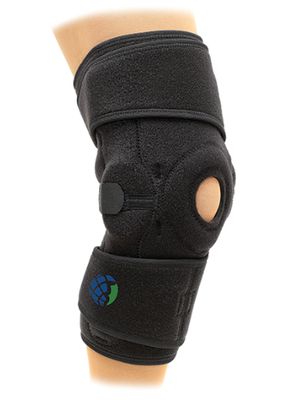
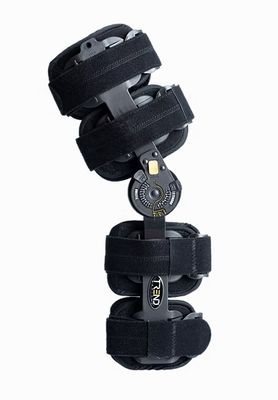
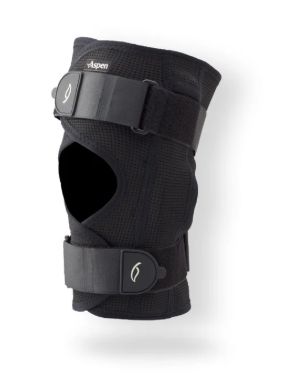
The Aspen ROM (Range of Motion) Knee Brace is a state-of-the-art orthopedic device designed to deliver precise control over knee joint movement while offering exceptional comfort, compression, and stability. Engineered for patients recovering from surgery, injury, or managing chronic instability, the Aspen ROM Knee helps facilitate safe rehabilitation by allowing controlled, incremental movement of the knee joint.
With HCPCS codes L1832 and L1833 approved, this brace is recognized for its therapeutic benefits and qualifies for insurance reimbursement under those categories, depending on its specific features.
Functional Overview
- Controlled Range of Motion (ROM):
At the core of the Aspen ROM Knee Brace is its adjustable, polycentric hinge system, which allows clinicians or patients to precisely set flexion and extension limits. This is critical for post-operative rehabilitation, as it helps prevent re-injury while promoting safe mobility. The hinge settings typically range in increments of 10°–15°, allowing for progressive increase or restriction of motion based on the patient’s recovery phase. - Optimal Compression and Support:
The brace features a compression sleeve or wrap system, designed to provide consistent, circumferential pressure around the knee. This not only stabilizes the joint but also reduces swelling, improves proprioception, and supports soft tissue healing. The rigid frame construction further ensures lateral and medial stability, protecting injured ligaments such as the ACL, PCL, MCL, and LCL. - Post-Operative and Injury Rehabilitation:
The Aspen ROM Knee is frequently prescribed for:- ACL or PCL reconstruction
- Meniscal repair
- Collateral ligament injuries
- Fracture stabilization
- General ligamentous instability
- Controlled mobilization after knee surgery
- Adjustability and Custom Fit:
The brace includes adjustable straps and cushioned contact points, enabling a snug fit tailored to the patient’s anatomy. Its intuitive design allows for quick donning and doffing, even for individuals with limited mobility. The telescoping uprights (in some versions) can accommodate varying leg lengths and swelling throughout recovery. - Comfort-Focused Design:
Aspen integrates its well-known focus on patient comfort into this brace with padded liners, breathable materials, and a lightweight frame. These features help prevent skin irritation and make the brace more tolerable during prolonged use, which is especially important during post-operative recovery.
Reimbursement & HCPCS Coding
- HCPCS Code L1832: Knee orthosis, adjustable knee joints (unicentric or polycentric), positional orthosis, rigid support, prefabricated, includes fitting and adjustment.
- HCPCS Code L1833: Same as L1832, but with inflatable air support.
The Aspen ROM Knee is generally coded under L1832 unless it includes an inflatable pneumatic system designed to deliver adjustable air compression, in which case L1833 is applicable.
These codes are Medicare and private insurance-approved and are used to identify prefabricated hinged knee braces that offer significant medial-lateral and anteroposterior support, especially when adjustable ROM settings are included.
Documentation Tip: For billing purposes, be sure to document:
- The medical necessity for a ROM control knee orthosis
- The patient's diagnosis and post-operative condition
- Specific limitations in range of motion or instability
- Provider notes regarding brace fitting and adjustment
Conclusion
The Aspen ROM Knee Brace is a clinically proven, insurance-reimbursable solution for knee stabilization and rehabilitation. Combining rigid structural support with customizable motion control and compression, this brace meets the needs of post-surgical patients and individuals recovering from complex ligament injuries. Its design promotes recovery while ensuring patient comfort, making it a trusted choice for orthopedic specialists, surgeons, and physical therapists.
Knuckle Orthosis: Purpose, Benefits, and Applications
Knuckle Orthosis Knuckle Orthosis: Purpose, Benefits, and Applications A Knuckle Orthosis is a specialized medical device designed to provide stability, support, and protection to the metacarpophalangeal (MCP) joints—the knuckles of the hand. These orthotic devices are commonly used in the… Continue Reading…

Wrist and Hand Braces: Support, Relief, and Rehabilitation for Hand and Wrist Conditions
Wrist and Hand Braces Introduction Wrist and hand braces are essential tools for individuals managing pain, recovering from injuries, or dealing with chronic conditions such as carpal tunnel syndrome, arthritis, or tendonitis. These braces provide stability, compression, and support to… Continue Reading…

Orthopedic Shoulder Braces: Support for Shoulder Injuries and Chronic Conditions
Orthopedic Shoulder Braces Introduction Orthopedic shoulder braces are designed to provide support and stabilization for individuals recovering from shoulder injuries, managing chronic shoulder pain, or undergoing post-surgical rehabilitation. These braces help alleviate discomfort, protect the shoulder joint, and prevent further… Continue Reading…