SPINA TEAM, 2050 Coral Way, Suite 509, Miami, FL 33145 info@spinateam.com

Blog

Ankle Braces: Benefits, Types, and How to Choose the Right One

Ankle Braces

Introduction

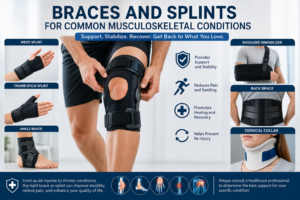
Ankle braces are crucial for supporting and stabilizing the ankle joint, especially for individuals recovering from injuries or participating in physical activities. Designed to prevent further damage and facilitate healing, ankle braces offer the necessary support to maintain mobility while protecting the joint. This article will explore the different types of ankle braces, their benefits, and how to choose the best one based on your needs.


Types of Ankle Braces

Ankle braces come in various forms, each tailored to specific conditions and levels of support. Below are the most common types:

  1. Rigid Ankle Braces

    • These braces offer maximum support and immobilization, typically used after severe ankle sprains, fractures, or post-surgery recovery.
    • Made from sturdy materials like plastic, they limit movement and provide stability, helping prevent further injury.
    • Often prescribed by healthcare professionals, rigid ankle braces are crucial for proper alignment and healing.
  2. Semi-Rigid Ankle Braces

    • Semi-rigid braces offer moderate support and allow for some range of motion while stabilizing the ankle.
    • These braces are suitable for mild to moderate ankle injuries, such as sprains or tendonitis.
    • Often featuring adjustable straps, semi-rigid braces provide a snug fit, making them ideal for athletes who need support during sports activities without complete immobilization.
  3. Compression Sleeves

    • Compression sleeves provide mild support and are primarily used for minor ankle pain, swelling, or inflammation.
    • Made from elastic, breathable materials like neoprene, they offer compression and warmth, promoting circulation and reducing swelling.
    • Ideal for individuals who need light support during daily activities or recovery from mild injuries.
  4. Lace-Up Ankle Braces

    • Lace-up braces are adjustable and provide a balance of support and flexibility.
    • They feature laces and straps, allowing for a customizable fit that can be adjusted based on the level of support needed.
    • Often used by athletes to prevent injuries or support mild to moderate sprains, these braces offer stability while allowing some mobility.
  5. Ankle Stabilizers

    • Designed to support the ankle during physical activities, these braces feature figure-eight or stirrup straps to provide additional stability and compression.
    • They help control excessive ankle movement, reducing the risk of rolling or twisting the ankle.
    • Ankle stabilizers are suitable for those who participate in high-impact sports like basketball, soccer, or running.

Benefits of Ankle Braces

Ankle braces provide numerous benefits, especially for those with ankle injuries or those engaging in activities that put stress on the ankle joint:

  • Injury Prevention: Wearing an ankle brace during physical activities can help prevent sprains, strains, and other injuries by stabilizing the ankle and limiting excessive motion.
  • Pain Relief: Braces provide support and compression, reducing pain and inflammation associated with conditions like arthritis or tendonitis.
  • Post-Injury Recovery: Ankle braces help immobilize the joint after injury, allowing for proper healing and reducing the risk of re-injury.
  • Improved Mobility: By stabilizing the ankle, braces enable individuals to walk, run, or engage in other activities with greater confidence and stability.
  • Support During Sports: Athletes use ankle braces to enhance performance and minimize the risk of injury, especially in high-impact sports.

How to Choose the Right Ankle Brace

Selecting the right ankle brace is essential for ensuring the best results. Here are some key factors to consider:

  1. Purpose and Condition

    • Assess your needs: Are you recovering from an injury, managing chronic pain, or looking for a preventive measure during sports?
    • Consult with a healthcare professional to determine the most suitable brace for your condition.
  2. Level of Support

    • Determine the level of support needed based on your condition. For severe injuries, a rigid brace may be necessary, while mild conditions may only require a compression sleeve.
    • For athletes, semi-rigid or lace-up braces often provide the balance of stability and flexibility needed for performance.
  3. Material and Comfort

    • Ankle braces come in various materials such as neoprene, which provides warmth and compression, and plastic for maximum support.
    • Choose breathable, lightweight materials if the brace is to be worn for extended periods, ensuring comfort and minimizing skin irritation.
  4. Adjustability and Fit

    • A proper fit is crucial for the brace’s effectiveness. Many ankle braces feature adjustable straps, laces, or stirrups that allow you to customize the fit.
    • Make sure the brace isn’t too tight, as this could restrict circulation, or too loose, as it may not provide adequate support.
  5. Activity Level

    • If you’re an athlete, consider braces designed for sports activities that offer protection without restricting movement.
    • For everyday use or post-injury recovery, a more supportive brace may be appropriate.

Proper Use and Maintenance of Ankle Braces

Using an ankle brace correctly and maintaining it properly is crucial for its effectiveness:

  1. Follow Medical Guidance

    • Always adhere to the instructions provided by your doctor or physical therapist regarding how long and when to wear the brace.
    • If used for injury recovery, you may need to wear the brace continuously at first and gradually reduce its use as healing progresses.
  2. Cleaning and Maintenance

    • Regularly clean your ankle brace, especially if worn daily. Most braces can be hand-washed with mild soap and water and air-dried.
    • Avoid using harsh detergents or hot water, as these may damage the brace’s materials.
  3. Inspect for Wear and Tear

    • Check the brace regularly for signs of wear, such as frayed straps or damaged hinges. Replacing worn parts or the entire brace when needed ensures optimal support.
    • Ensure that adjustable straps or laces are functioning correctly to maintain a proper fit.

Conclusion

Ankle braces are valuable tools for managing and preventing ankle injuries, providing support, and enhancing mobility. Whether you’re recovering from an injury, managing a chronic condition, or participating in sports, understanding the different types of ankle braces and choosing the right one for your needs is essential. Always consult with a healthcare professional to ensure the best outcome for your ankle health, and follow proper care guidelines to maximize the brace’s effectiveness

Aspen ROM Knee Reimbursement: Code L1832/L1833 Approved

$109.00
ASPEN
Select Size
In stock
Save this product for later
Share this product with your friends
Aspen ROM Knee Reimbursement: Code L1832/L1833 Approved
Product Details
Brand: ASPEN


Reimbursement: Code L1832/L1833 Approved
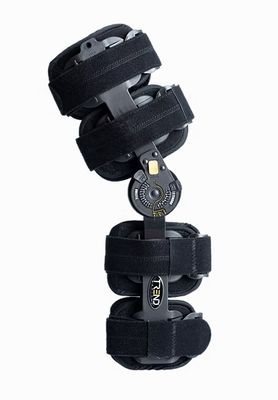
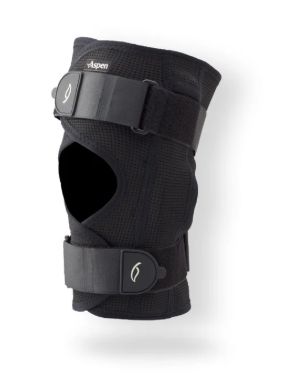
The Aspen ROM Knee is a range of motion brace that provides optimal compression and support.

Aspen ROM Knee Brace – Long Description & Functionality

The Aspen ROM (Range of Motion) Knee Brace is a state-of-the-art orthopedic device designed to deliver precise control over knee joint movement while offering exceptional comfort, compression, and stability. Engineered for patients recovering from surgery, injury, or managing chronic instability, the Aspen ROM Knee helps facilitate safe rehabilitation by allowing controlled, incremental movement of the knee joint.

With HCPCS codes L1832 and L1833 approved, this brace is recognized for its therapeutic benefits and qualifies for insurance reimbursement under those categories, depending on its specific features.


Functional Overview

  1. Controlled Range of Motion (ROM):
    At the core of the Aspen ROM Knee Brace is its adjustable, polycentric hinge system, which allows clinicians or patients to precisely set flexion and extension limits. This is critical for post-operative rehabilitation, as it helps prevent re-injury while promoting safe mobility. The hinge settings typically range in increments of 10°–15°, allowing for progressive increase or restriction of motion based on the patient’s recovery phase.
  2. Optimal Compression and Support:
    The brace features a compression sleeve or wrap system, designed to provide consistent, circumferential pressure around the knee. This not only stabilizes the joint but also reduces swelling, improves proprioception, and supports soft tissue healing. The rigid frame construction further ensures lateral and medial stability, protecting injured ligaments such as the ACL, PCL, MCL, and LCL.
  3. Post-Operative and Injury Rehabilitation:
    The Aspen ROM Knee is frequently prescribed for:
    • ACL or PCL reconstruction
    • Meniscal repair
    • Collateral ligament injuries
    • Fracture stabilization
    • General ligamentous instability
    • Controlled mobilization after knee surgery
  4. Adjustability and Custom Fit:
    The brace includes adjustable straps and cushioned contact points, enabling a snug fit tailored to the patient’s anatomy. Its intuitive design allows for quick donning and doffing, even for individuals with limited mobility. The telescoping uprights (in some versions) can accommodate varying leg lengths and swelling throughout recovery.
  5. Comfort-Focused Design:
    Aspen integrates its well-known focus on patient comfort into this brace with padded liners, breathable materials, and a lightweight frame. These features help prevent skin irritation and make the brace more tolerable during prolonged use, which is especially important during post-operative recovery.

Reimbursement & HCPCS Coding

  • HCPCS Code L1832: Knee orthosis, adjustable knee joints (unicentric or polycentric), positional orthosis, rigid support, prefabricated, includes fitting and adjustment.
  • HCPCS Code L1833: Same as L1832, but with inflatable air support.

The Aspen ROM Knee is generally coded under L1832 unless it includes an inflatable pneumatic system designed to deliver adjustable air compression, in which case L1833 is applicable.

These codes are Medicare and private insurance-approved and are used to identify prefabricated hinged knee braces that offer significant medial-lateral and anteroposterior support, especially when adjustable ROM settings are included.

Documentation Tip: For billing purposes, be sure to document:
  • The medical necessity for a ROM control knee orthosis
  • The patient's diagnosis and post-operative condition
  • Specific limitations in range of motion or instability
  • Provider notes regarding brace fitting and adjustment

Conclusion

The Aspen ROM Knee Brace is a clinically proven, insurance-reimbursable solution for knee stabilization and rehabilitation. Combining rigid structural support with customizable motion control and compression, this brace meets the needs of post-surgical patients and individuals recovering from complex ligament injuries. Its design promotes recovery while ensuring patient comfort, making it a trusted choice for orthopedic specialists, surgeons, and physical therapists.