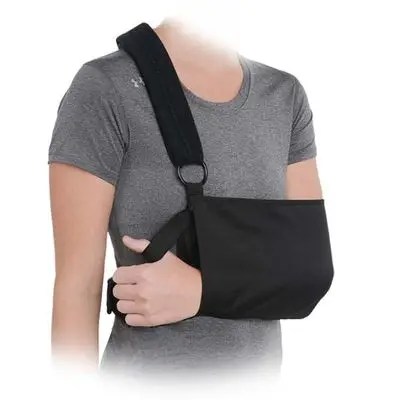

SUGGESTED HCPC: L3960
ORDER NUMBER: 5200
SIZE: Universal (see sizing chart to the left)
PRODUCT HIGHLIGHTS:
• Designed to maximize comfort and function
• Adjustable light weight durable frame fits all sizes and shapes
• Effortlessly applied and available for the right or left arm
• Provides comfortable abduction positioning while allowing for fine adjustments of internal and external rotation
• The Multi-functionality reduces inventory by replacing several single function braces
• Ranges from 20 degrees internal rotation to 45 degrees external rotation and neutral to 75 degrees of abduction
INDICATIONS:
Shoulder stabilization, post-op shoulder surgery, traumatic injuries of the shoulder, shoulder tendinitis, rotator cuff repair, Dislocated shoulder, Glenohumeral instability, Bankart lesion repair, shoulder replacement.
SUGGESTED HCPC: L3960


Orthopedic Brace for Feet: Understanding Support, Stability, and Modern Foot Care Solutions
Orthopedic Brace for Feet: Understanding Support, Stability, and Modern Foot Care Solutions The feet are among the most hardworking parts of the human body. They provide support, balance, and mobility throughout daily activities, from walking and standing to participating in… Continue Reading…

Understanding Lumbar Sacral Orthoses (LSOs): A Guide to Lower Back Support and Stability
Understanding Lumbar Sacral Orthoses (LSOs): A Guide to Lower Back Support and Stability What Is a Lumbar Sacral Orthosis (LSO)? A Lumbar Sacral Orthosis (LSO) is a type of back brace designed to support the lower spine, specifically the lumbar… Continue Reading…

Adult Scoliosis Bracing: How Modern Support Systems Can Improve Comfort, Posture, and Mobility
Adult Scoliosis Bracing: How Modern Support Systems Can Improve Comfort, Posture, and Mobility Living with scoliosis as an adult can present daily challenges that affect comfort, mobility, and overall quality of life. While scoliosis is often associated with adolescents, many… Continue Reading…